Galapagos
Best time to visit the Galapagos: a month-by-month guide by priority
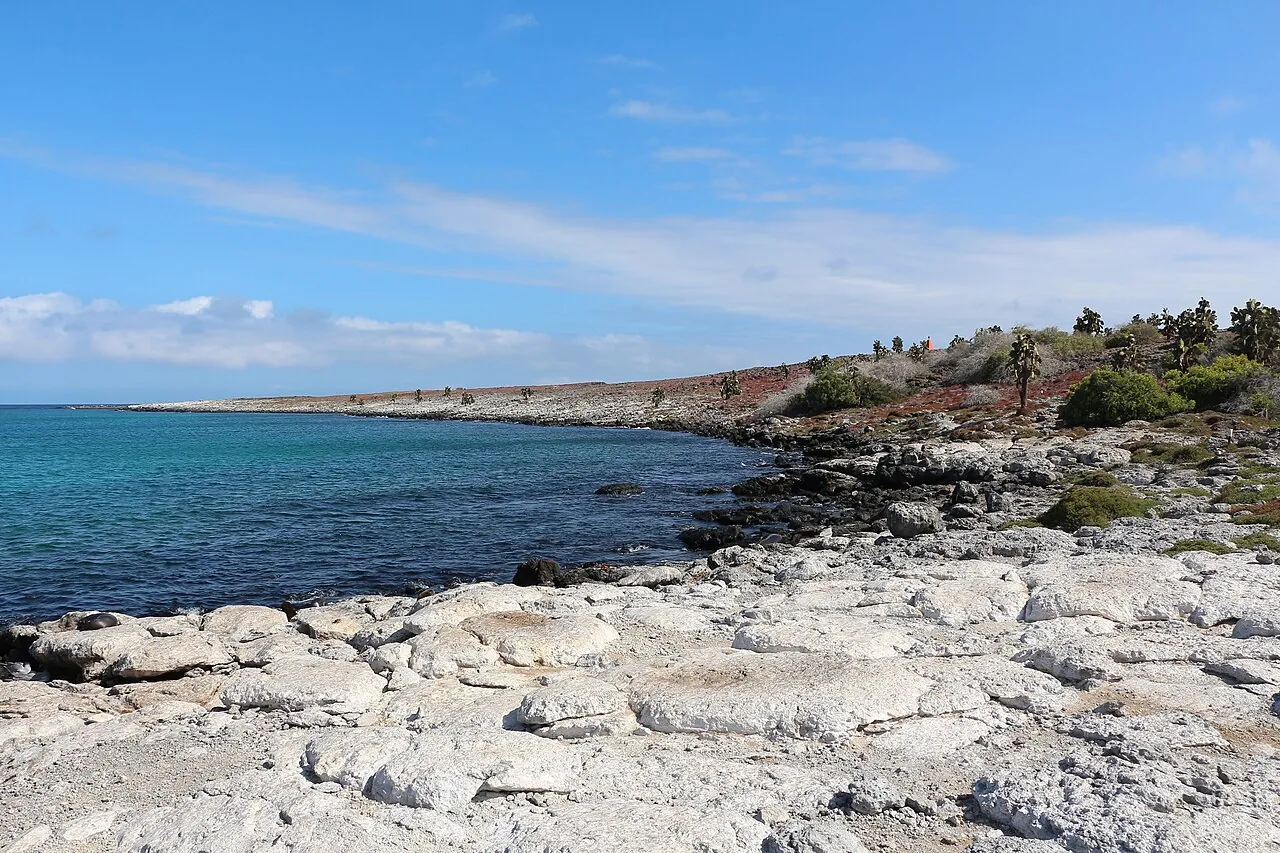
The best time to visit the Galapagos depends on your priority. From January to May the sea is warmer and calmer, with better snorkelling visibility and the nesting and pup season. From June to November the water is colder and there is garúa drizzle, but it suits hiking, birds and whales. Late December and early January are peak season.
- Warm, wet season: January to May; air approx. 24–30 °C (75–86 °F)
- Cool or garúa season: June to November; air approx. 18–24 °C (64–75 °F)
- Whales and dolphins most likely in August and September
- Peak season: late December and early January
- National Park fee: USD 200 for adults (confirm the current amount)
- A 3 mm wetsuit is recommended for snorkelling
You can visit the Galapagos all year round, and no month is a bad one. What changes is the weather, the sea temperature, which wildlife is at its most active and how many other visitors you share the trails with. This guide helps you choose by priority. Wildlife cycles are tendencies, not timetables, so no honest operator can guarantee a specific sighting on a specific date.
Climate and wildlife information follows Oceanic Society's best-time guide. Entry fees are official figures that can change, so confirm the current amount before you travel.
What are the two seasons in the Galapagos?
The islands sit on the equator, but they do not have a summer and winter like Europe or North America. Instead there is a warm, wet season and a cooler season known for garúa, the fine drizzle that turns the sky grey. English-language guides often call the second one the "dry season", although the highlands still get mist and drizzle, so look at air and sea temperature rather than the label.
| Feature | Warm and wet (January–May) | Cool or garúa (June–November) |
|---|---|---|
| Air | Approx. 24–30 °C (75–86 °F) | Approx. 18–24 °C (64–75 °F) |
| Sea | Warmer and calmer, approx. 21–27 °C (70–81 °F) | Colder, with lower visibility |
| Sky | More sun, with intermittent rain | Grey, with fine drizzle |
| Snorkelling | Better visibility | Colder water: wetsuit recommended |
| Best for | Snorkelling, nests and pups | Hiking, birds, whales and whale sharks |
December works as a bridge: the warmth starts to settle in and the nesting season begins, but it is also when peak visitor season arrives.
What is the weather and wildlife like month by month?
The table below summarises what is known for each month. Where neighbouring months do not differ in any clear way, we say so rather than invent detail.
| Month | Weather and sea | Wildlife highlights | Crowds |
|---|---|---|---|
| January | Warm and wet; warm, calm sea | Frigatebird nesting | High early in the month |
| February | Warm and wet; warm, calm sea | Frigatebird nesting | No peak flagged |
| March | Warm and wet; good visibility | Sea lion pups; albatross from late in the month | No peak flagged |
| April | Warm and wet | Sea lion pups; Galapagos albatross nesting on Española | No peak flagged |
| May | End of the warm season | Sea lion pups; albatross on Española | No peak flagged |
| June | Transition: the cool season begins | Whale shark migration (specialist trip) | Fewer visitors |
| July | Cool, garúa, colder water | Whale sharks (specialist); good month for birds | Busier with northern-hemisphere summer holidays |
| August | Cool, garúa | Whales and dolphins most likely | Busier with summer holidays |
| September | Cool, garúa | Whales and dolphins most likely | No peak flagged |
| October | Cool, garúa | Fur seal pups; whale sharks still in season | No peak flagged |
| November | Transition | Good for hiking and birdwatching | Fewer visitors |
| December | Warm and wet begins | Nesting season starts | High late in the month |
When is the best time to visit the Galapagos for snorkelling?
January to May. The sea is warmer and calmer and visibility is better, which is exactly what you want underwater. Even so, the guide recommends a 3 mm wetsuit for snorkelling, and many of our day excursions include mask, snorkel and fins but not the wetsuit, so ask whether you can rent one locally.
In the cooler months the water is colder and visibility is lower, but you will still see wildlife. Good examples are the Isabela outings such as the Tintoreras Islets or the Lava Tunnels at Cabo Rosa, which include snorkelling gear and start from the island itself.
What is the best month for wildlife?
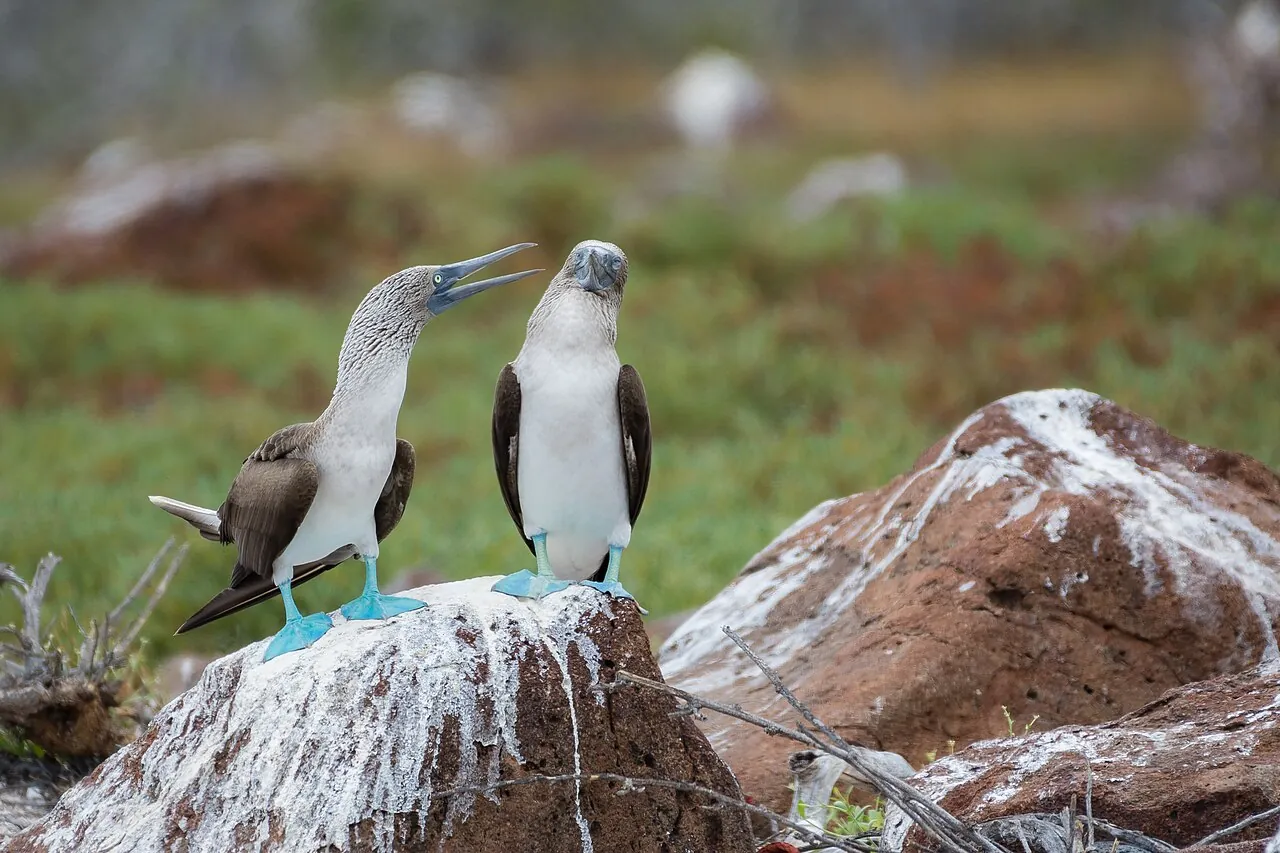
It depends on the species. For nests and pups, the warm season is the one to pick. For whales and dolphins, August and September are the most likely months. If you want birds, walking the islands is more comfortable in the milder temperatures of the cooler months.
- Frigatebirds nesting: December to May.
- Sea lion pups: March to May.
- Galapagos albatross on Española: from late March or April.
- Whales and dolphins: most likely in August and September.
- Fur seal pups: October.
Remember that you can only visit the islands with an authorised naturalist guide and only at designated sites, so what you see also depends on your itinerary. For a closer look at what each place offers, see Galapagos Islands: What to See, Island by Island.
Which month suits families, seasickness-prone travellers or tight budgets?
Families. The warm months bring gentler water for getting in, but they overlap partly with peak season. If you travel during the northern-hemisphere summer holidays, book well ahead. A hotel base with day trips usually gives more flexibility with children than a week on a boat.
Seasickness. Cruises sail overnight. If you get queasy easily, the warm season, with its calmer sea, is the more cautious bet, and a short cruise or a hotel base reduces your exposure. To weigh the options calmly, read the comparison in Galapagos Cruise or Hotel: Which Is Better?.
Budget. Demand concentrates in late December and early January and during the northern-hemisphere summer. If you have flexibility, June and November are transition months with fewer visitors. We cannot promise lower rates on a given date, as it depends on each departure and operator. To see how the total is built up, read How Much Does a Galapagos Trip Cost? Real Budget.
Cruise or hotel: does the best time change?
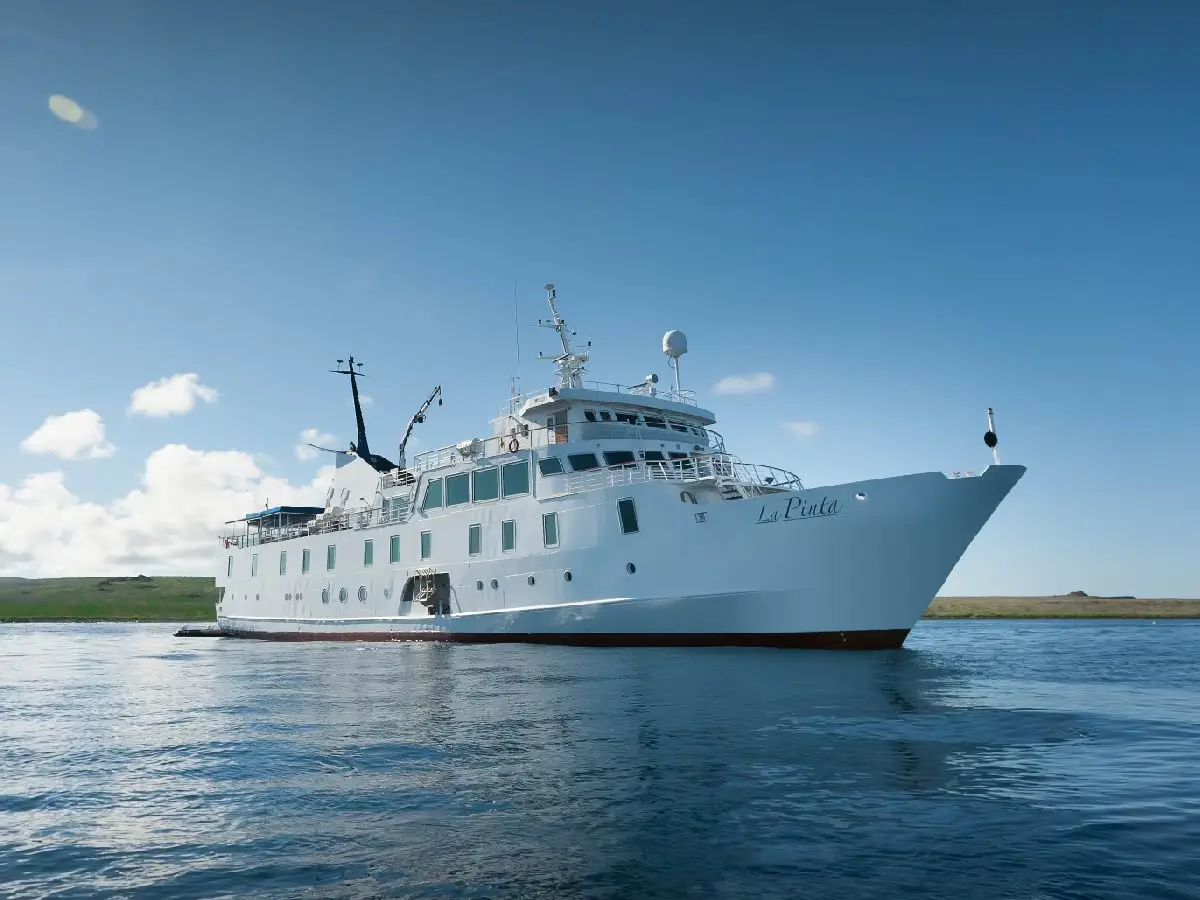
The wildlife calendar does not change, but how you experience it does. On a cruise you travel overnight and visit one island in the morning and another in the afternoon. Options include Coral I / Coral II, with 3-, 4- and 7-night departures in our catalogue, and Galapagos Legend. For Coral I / II the starting price is From USD 2,605.00 per person in double occupancy, and it varies by departure and cabin category.
If you prefer a fixed bed, the alternative is to stay on Santa Cruz or Isabela and take day trips. A hotel such as La Laguna on Isabela (From USD 149.48 per room per night) lets you adapt your plans to the weather, which helps in the garúa months. For a high-end stay on Santa Cruz, look at Finch Bay (From USD 753.97 per room per night).
How far ahead should I book, and what formalities should I expect?
Flights and cruise places sell out earlier in peak season, and cruise places, which follow fixed itineraries regulated by the National Park, are limited. Book early, especially for late December, early January and the northern-hemisphere summer.
- National Park fee: USD 200 for adult foreign visitors and USD 100 for children under 12, paid in cash on arrival at Baltra or San Cristóbal. Bring clean notes in good condition and confirm the current amount before you travel.
- Transit Control Card (TCT): USD 20, arranged at Quito or Guayaquil airport before you fly.
- Luggage: inspected and sealed at the mainland airport as part of biosecurity control.
- Maximum tourist stay: 60 days.
If you combine the Galapagos with the mainland, a programme such as Quito and Galapagos, 7 days or Quito, Santa Cruz and Isabela, 8 days organises accommodation, transfers and tours. Note that, according to the listing, these programmes do not include flights or the Park fee.
Next step: pick your month and ask for a quote
With the table you now have an idea of what to prioritise. The next step is to match it with your real dates, the type of trip (cruise or hotel base) and who is travelling. When you are ready, talk to our team. Tell us the month you have in mind, how many of you are travelling and whether anyone gets seasick or is travelling with children, and we will propose realistic options, with what each one includes and what it does not.
Frequently asked questions
What is the best month to visit the Galapagos?
There is no single best month, only the one that matches your priority. For snorkelling, calm seas and sea lion pups, go from January to May. For hiking, birds and whale and dolphin watching, go from June to November, with August and September the most likely months for cetaceans. June and November are quieter.
When is peak season in the Galapagos?
Peak visitor season runs from late December to early January, and it also overlaps with the northern-hemisphere summer holidays. At those times, book your flights, cruise and hotel well in advance, as places are limited. June and November are transition months with noticeably fewer visitors.
Can you visit the Galapagos in the cool or garúa season?
Yes, and it has advantages. From June to November the air is around 18–24 °C, the sky is often grey with fine drizzle, and the water is colder with lower visibility. In return, it is a good time for hiking and birdwatching, and August to September improve your chances of seeing whales and dolphins.
What is the best time for snorkelling in the Galapagos?
January to May, when the sea is warmer and calmer (approx. 21–27 °C) and visibility is better. Even so, a 3 mm wetsuit is recommended. On many day trips the snorkelling gear is included but the wetsuit is not, so ask whether you can rent one.
When should I go to the Galapagos if I get seasick?
The warm season, January to May, usually has the calmest sea. Cruises sail overnight, so if you are prone to seasickness consider a short cruise, or a hotel base with day trips and more time on land. No season can guarantee a flat sea.
When can you see whale sharks in the Galapagos?
Whale shark migration happens mainly between June and October and is mostly associated with Darwin, an area visited on specialist dive trips. It is not something you can count on during a standard cruise or day trip, and nobody can guarantee a sighting.
Want us to organise it for you?
Tell us your dates, travellers and interests and we will prepare a personalised proposal with accommodation, transfers and detailed services.
Fees, prices and official requirements can change: always confirm current details before you travel. Information reviewed on 8 October 2026.
Sources and official links
Related trips and stays
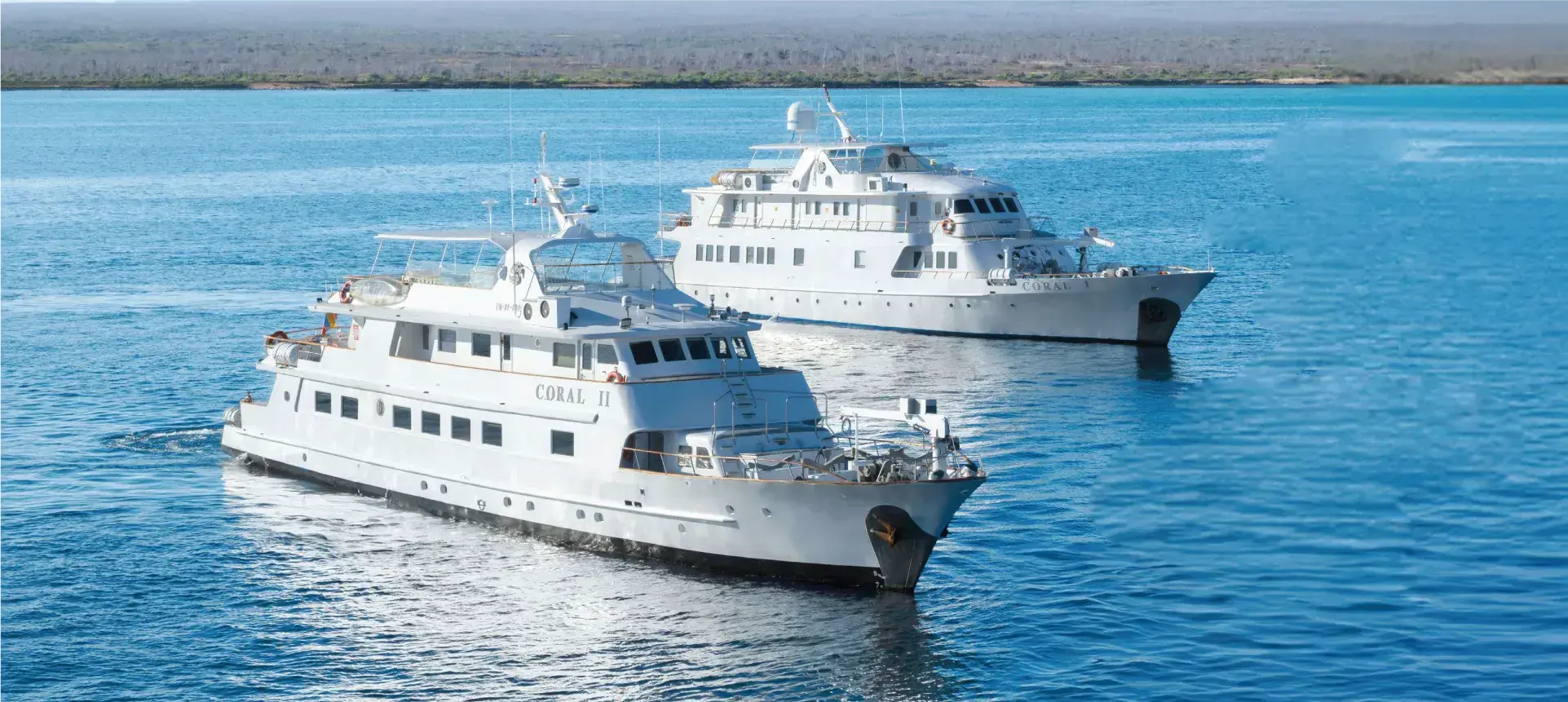 GalápagosCoral I o Coral IIFrom USD 2,605.00
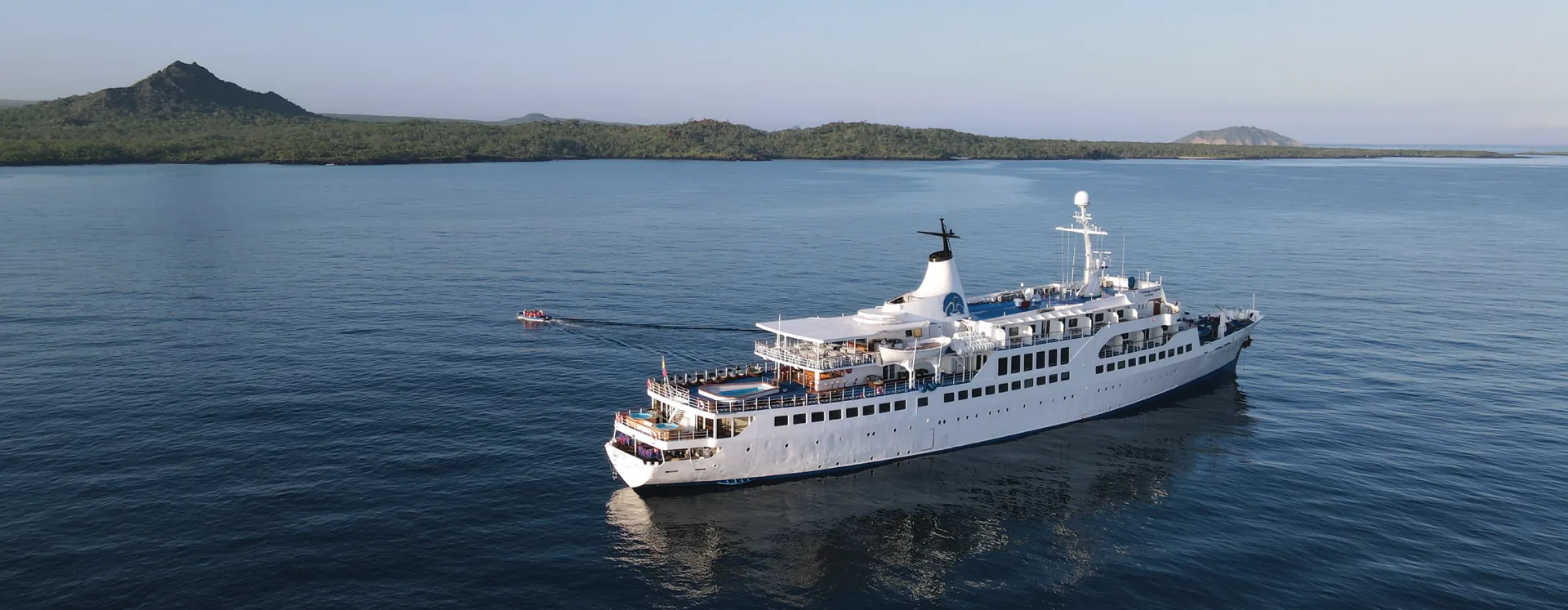 GalápagosGalapagos LegendFrom USD 2,605.00Desde Isla Isabela (Galápagos)Islas TintorerasFrom USD 128.90
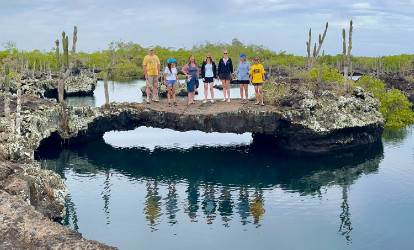 Desde Isla Isabela (Galápagos)Los Túneles de Lava (Cabo Rosa)From USD 252.38
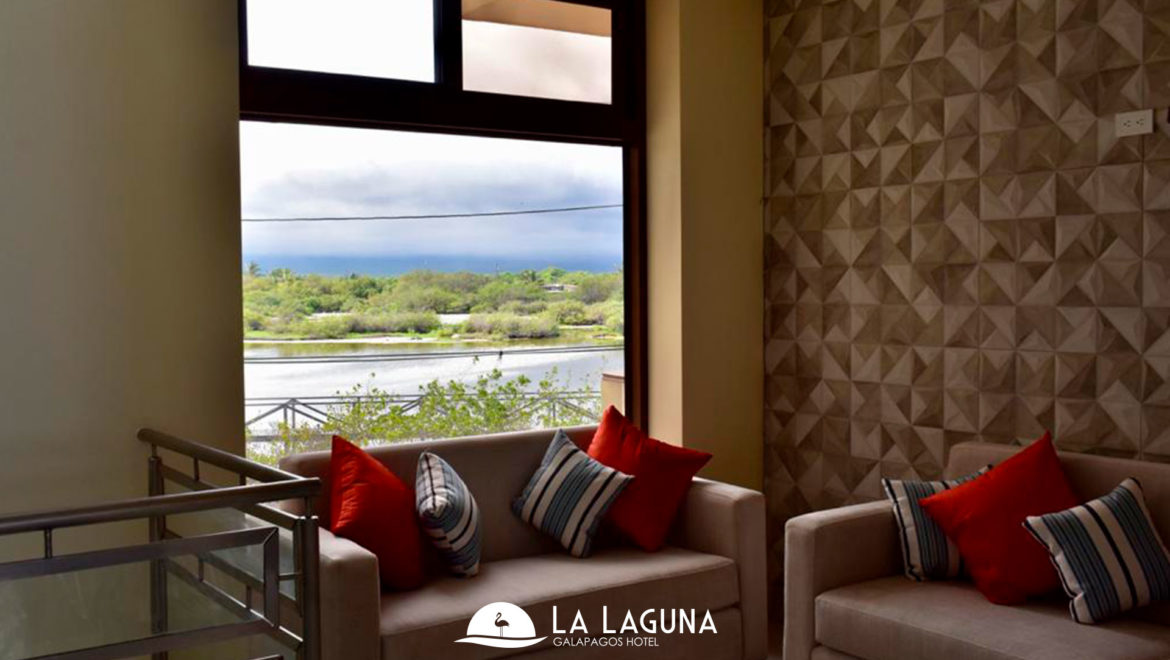 Galápagos (Isla Isabela)La Laguna Galápagos 3*From USD 149.48
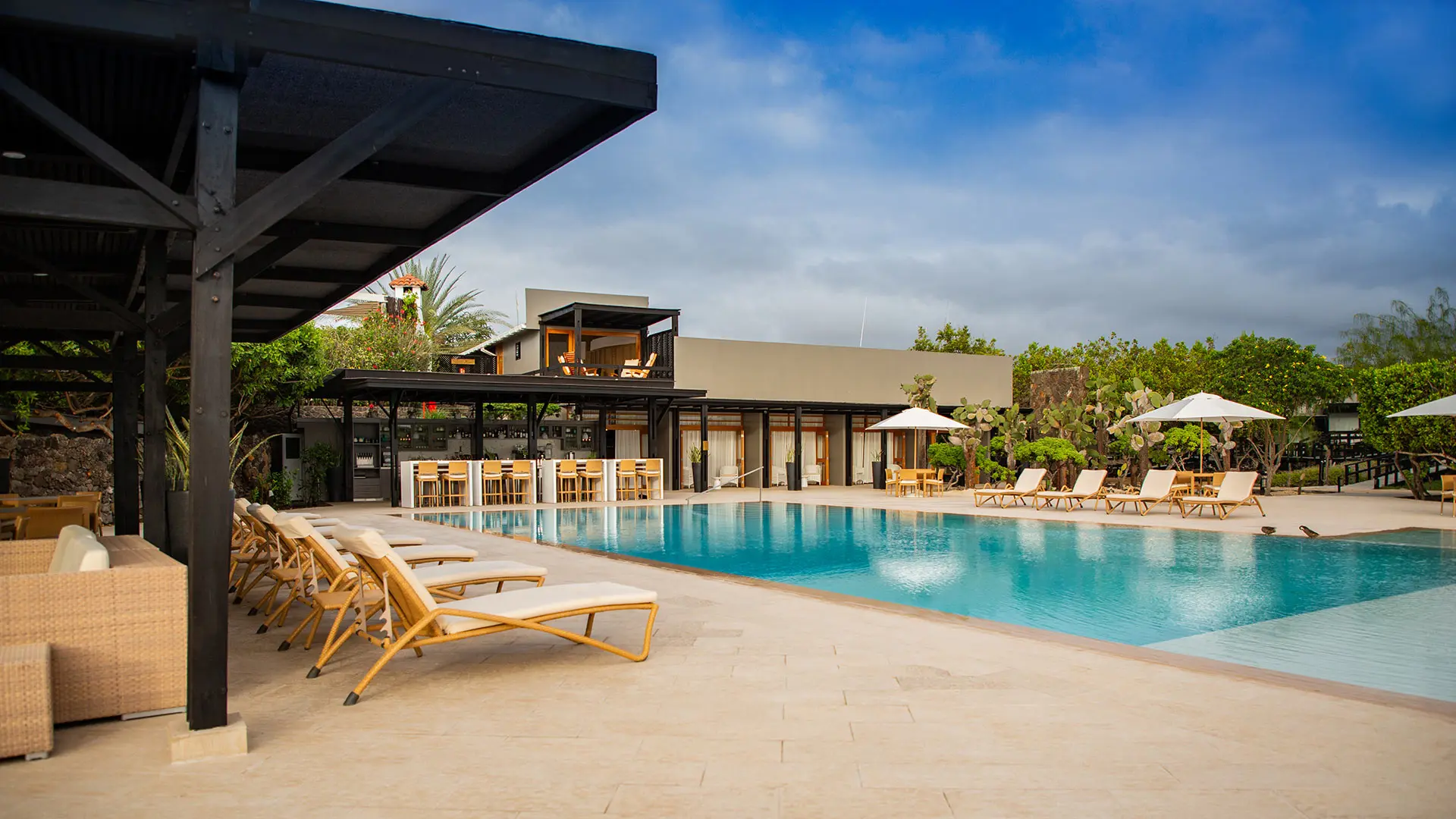 Galápagos (Isla Santa Cruz)Finch Bay Galápagos 5*From USD 753.97
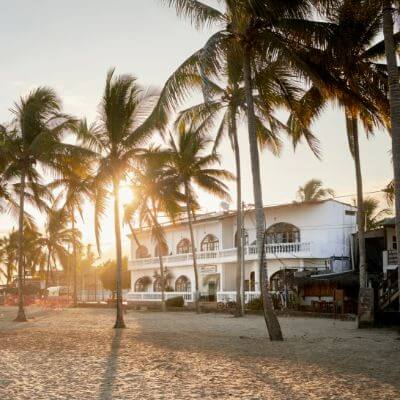 Quito · GalapagosQuito & GalapagosQuito · GalapagosQuito, Santa Cruz & Isabela
Keep reading
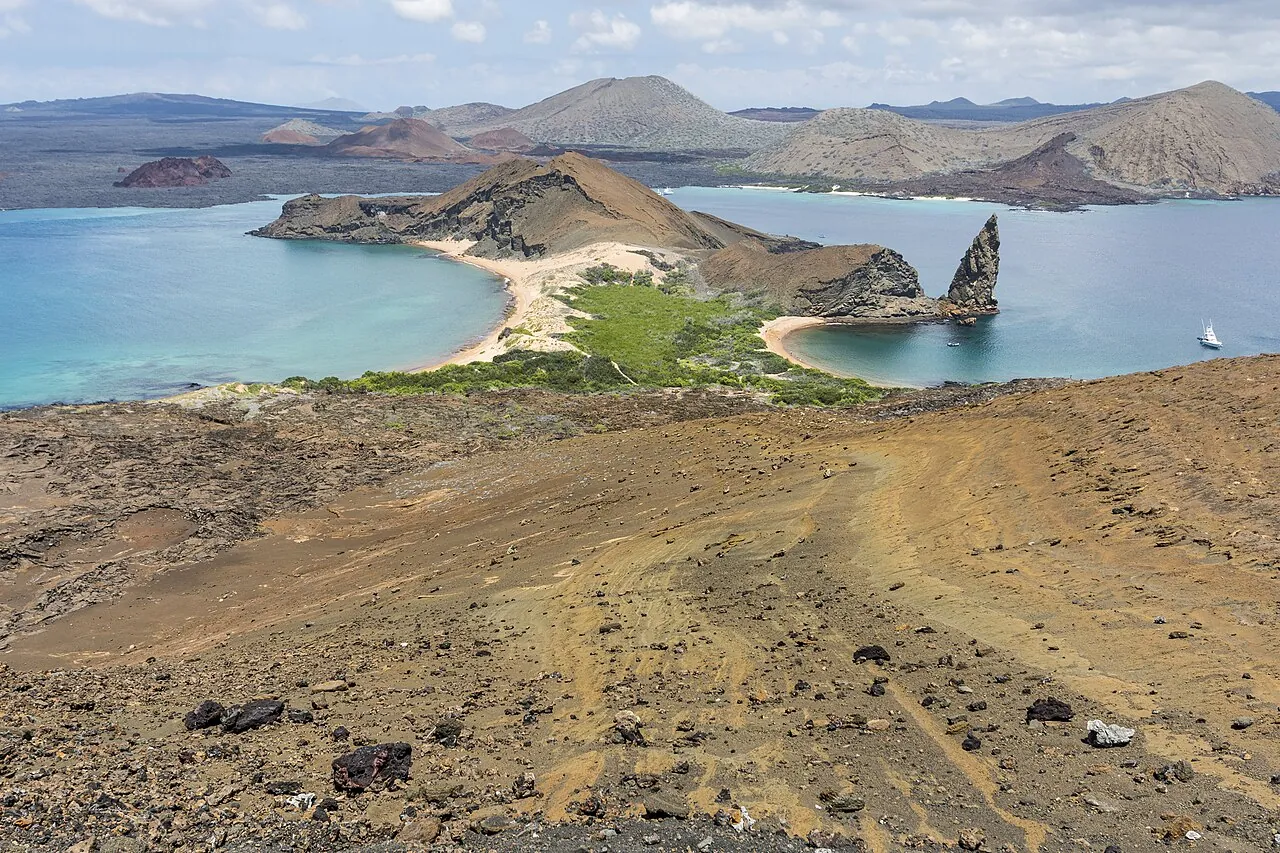 GalapagosHow Much Does a Galapagos Trip Cost? Real BudgetHow much does a Galapagos trip cost? Park fee (USD 200), TCT (USD 20), flights, cruise vs hotel with day trips and ways to save. A clear budget, no surprises.Read article →GalapagosGalapagos Cruise or Hotel: Which Is Better?Galapagos cruise or hotel? Compare islands reached, seasickness, pace, price and who each suits: families, couples, photographers. Honest comparison table.Read article →
 GalapagosGalapagos Islands: What to See, Island by IslandGalapagos Islands and what to see on each: Bartolomé, South Plaza, North Seymour, Isabela and more. What needs a cruise and what works as a day trip.Read article →