Quito & Andes
What to See in Quito: a 3-Day Itinerary and the Best Day Trips
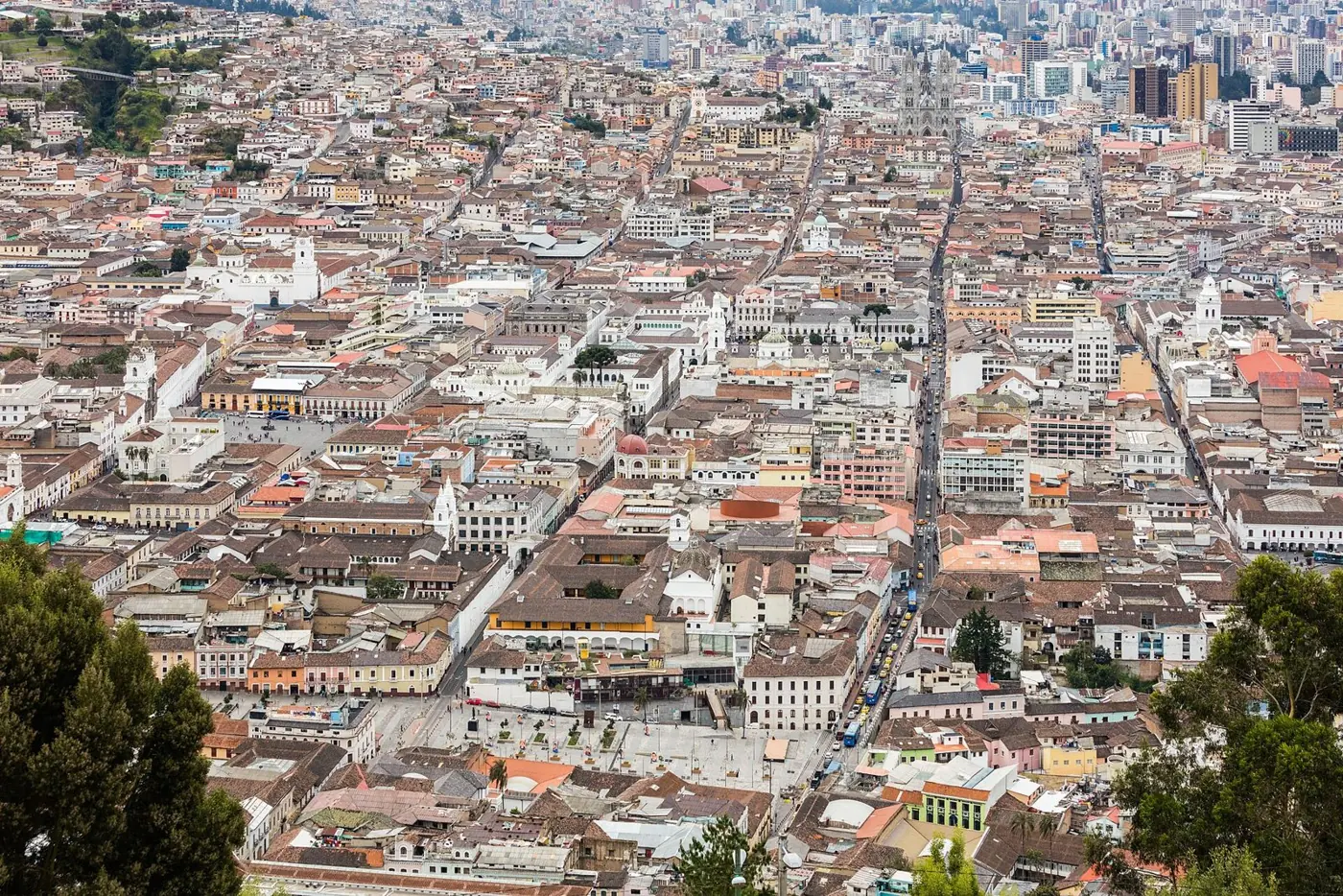
Three days is enough for Quito: day one to arrive and adjust to the altitude (about 2,850 m), day two for the UNESCO-listed historic centre (inscribed in 1978) and day three for the Middle of the World and the Pululahua crater. With more time, add a day trip to Cotopaxi, Mindo, Otavalo or the Papallacta hot springs.
- Quito sits at about 2,850 m (9,350 ft)
- Historic centre is a UNESCO World Heritage Site since 1978
- Spain's foreign ministry advises not visiting the historic centre after 18:00
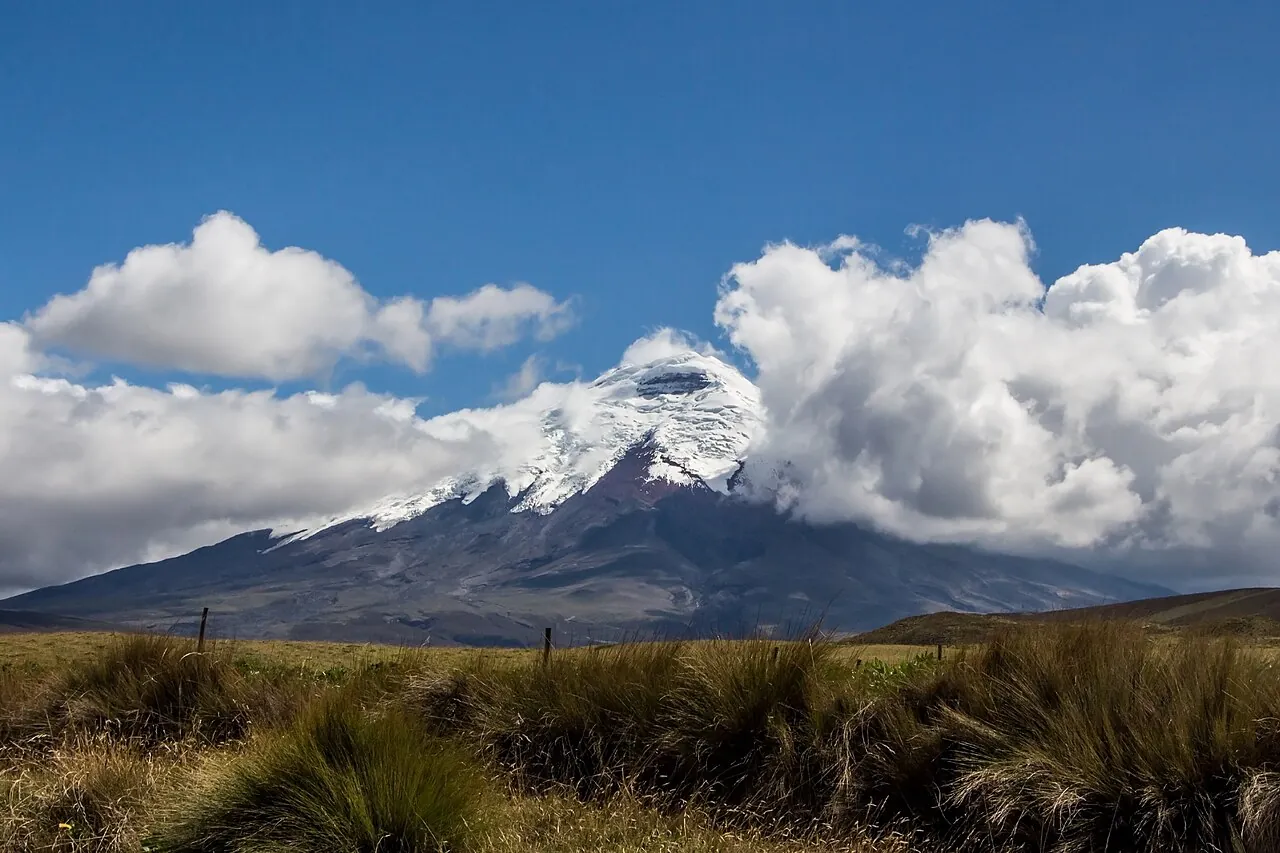
- Cotopaxi: active volcano of about 5,897 m
- Otavalo: Saturday is the biggest market day
- Emergency number in Ecuador: 911
How many days do you need in Quito?
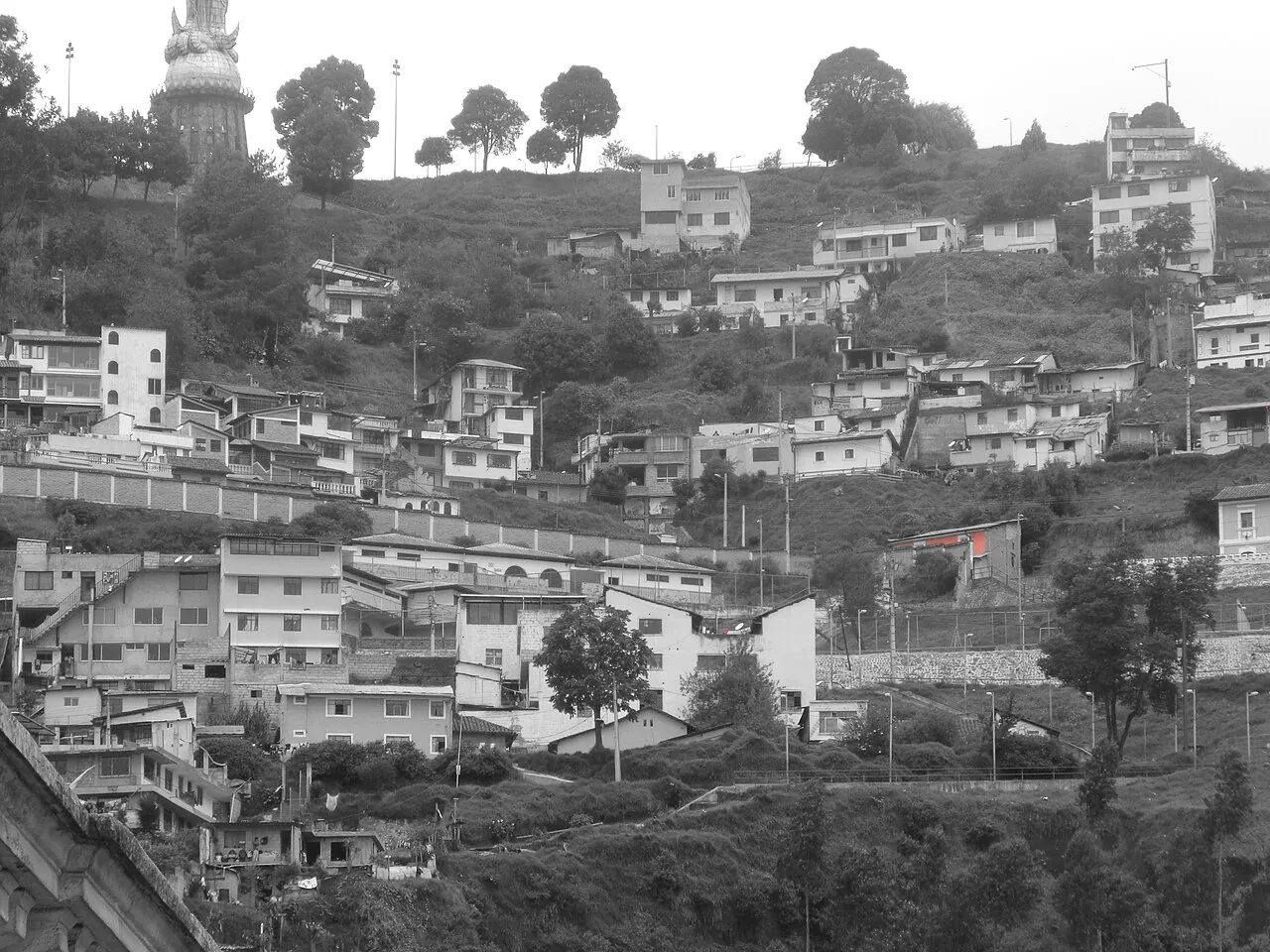
Three days is a sensible amount: one to arrive and adjust to the altitude, one for the historic centre and a third for the north of the city (the Equator monument and the Pululahua crater). With less time you can still see the essentials, but at a sprint. With more, you can add day trips to a volcano, a cloud forest or a market.
Quito is Ecuador's capital, and its historic centre was among the first in the world to be inscribed as a UNESCO World Heritage Site, in 1978. It is a long, narrow city wedged between mountains, and nearly everything you will want to see falls into three areas: the old town, the viewpoint hills and the north. Plan by area rather than by list of monuments.
A 3-day Quito itinerary at a glance
| Day | Plan | Pace |
|---|---|---|
| 1 | Arrival, hotel transfer, rest and a short stroll | Very easy (acclimatisation) |
| 2 | Historic centre: squares, churches, La Ronda, Basílica del Voto Nacional and the Panecillo viewpoint | Moderate (lots of walking and slopes) |
| 3 | Middle of the World and the Pululahua crater; back to Quito | Moderate (car transfers) |
This is also the outline of the Quito days in our standard programmes, which combine the north of the city and the colonial centre in a single day. If you would rather not pack so much in, split them over two days and keep the third for rest.
Day 1: arrive and acclimatise without rushing
International flights usually land at Mariscal Sucre airport, and the transfer to the hotel takes a while, so assume the first day will be short. The smartest plan is to drop your bags, have something light to eat, drink lots of water and take a brief walk near the hotel before dark.
On where to stay: for a first visit, a well-located hotel with reliable transport is worth having. Our catalogue includes options such as the Wyndham Garden 4* (From USD 141.25, per room per night with breakfast), the Swissôtel Quito 5* (From USD 218.43) and the JW Marriott Quito 5* (From USD 328.05). Rates are indicative and depend on dates and availability.
Day 2: what to see in Quito's historic centre
The colonial old town is the reason many people come. A classic walking route takes in Independence Square, framed by the Cathedral, the Presidential Palace, the Municipal Building and the Archbishop's Palace; La Compañía church, famous for its gold-leaf interior; San Francisco and Santo Domingo squares; and La Ronda, the city's oldest street, lined with crafts and traditional venues.
After that, head to the neo-Gothic Basílica del Voto Nacional and the Panecillo viewpoint, which helps you understand how the city lies between the Andes. If you want a guided route without the logistics, the Quito City Tour (4 horas) is the shorter version, at around four hours.
One practical point: the old town is best enjoyed in the morning and early afternoon. The official advice is not to visit the historic centre after 18:00, so plan to be back at your hotel before then.
Day 3: the Equator monument and Pululahua crater
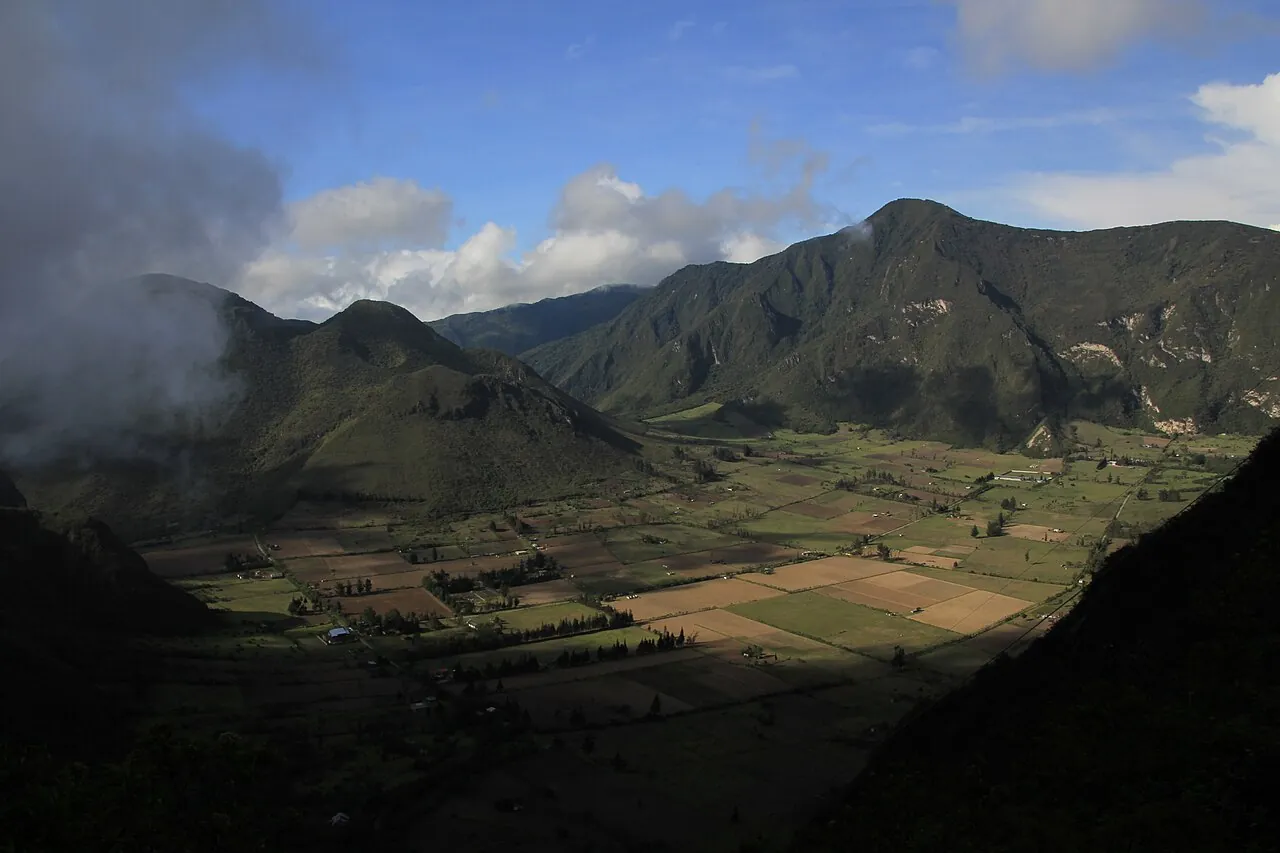
North of Quito stands the Middle of the World monument, marking latitude 0°. Very close by is the Pululahua crater, a geobotanical reserve whose floor is inhabited and farmed; the rim viewpoint is what most visitors see. It is a short excursion that is not tiring and pairs well with the old town.
There are two formats depending on your time and interest: the Quito y Mitad del Mundo (6 horas), which is shorter, or the Pululahua Cráter, Mitad del Mundo y Quito (Full Day), a full day that adds the crater and the city. Our Quito services are private, and timings and entry fees are confirmed in your quote.
Only one day in Quito?
With a single full day, put the historic centre first in the morning (Independence Square, La Compañía, San Francisco and La Ronda) and finish with the view from the Panecillo. Leave the Equator monument for another trip, or book it as a short excursion if your flight leaves late. Do not try to add a full-day excursion: the altitude and the driving will catch up with you.
One stop people tend to enjoy is the artisanal chocolate tasting that is part of our guided route through the centre. It makes a welcome break from all the hills.
Day trips from Quito: which one should you pick?
If you have more than three days, Quito is an excellent base for getting out into the highlands and the forest. These are the excursions in our catalogue, all full-day and starting from Quito:
| Excursion | What it is | Best for |
|---|---|---|
| Volcán Cotopaxi (Full Day) | Active volcano, about 5,897 m | Mountain lovers and high-Andean landscapes |
| Bosque Nublado de Mindo (Full Day) | Cloud forest about 2 hours from Quito, known for birdwatching | Nature and photography |
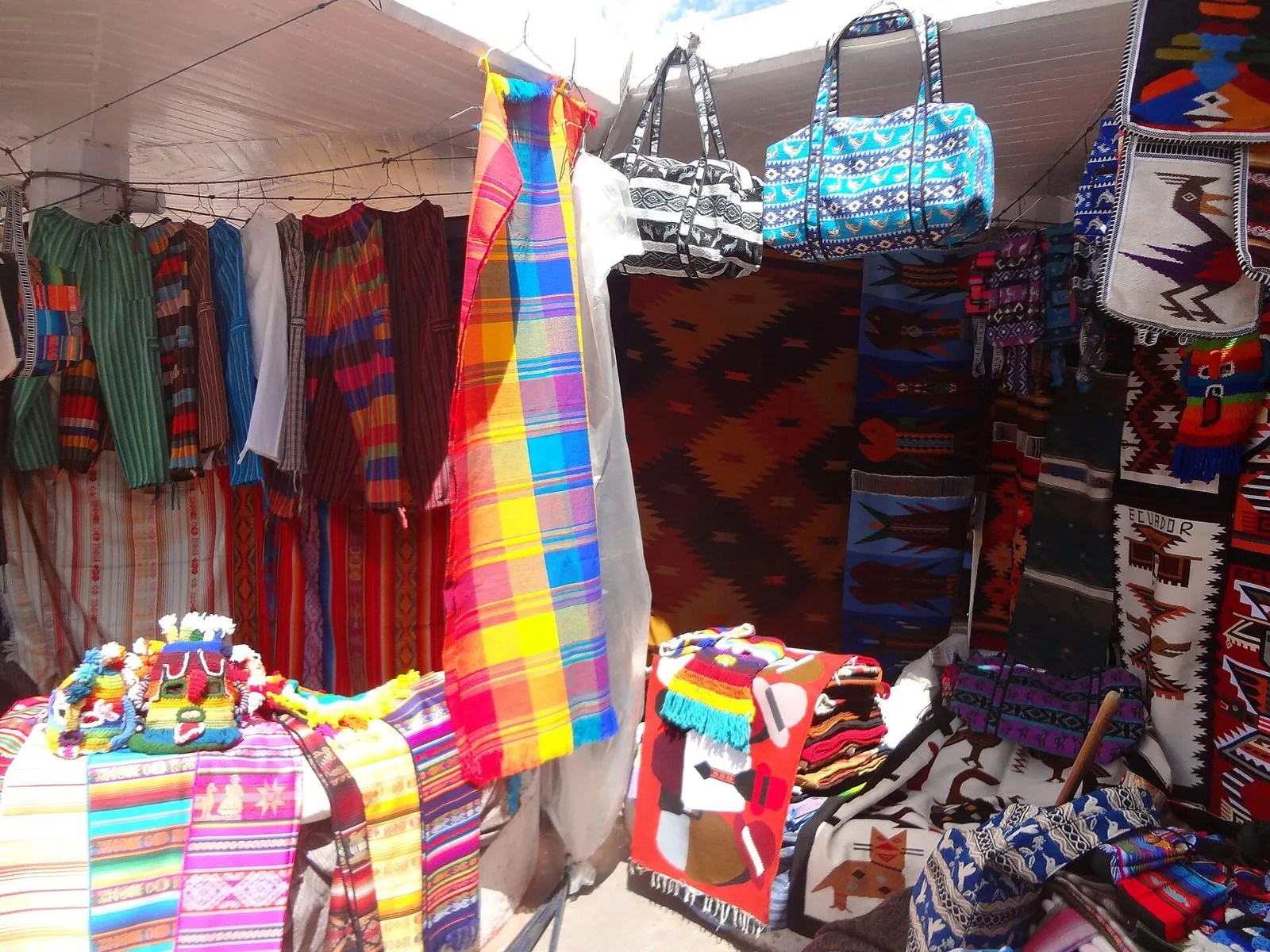
| Mercado Indígena de Otavalo (Full Day) | Craft market; Saturday is the biggest day | Crafts, shopping and culture |
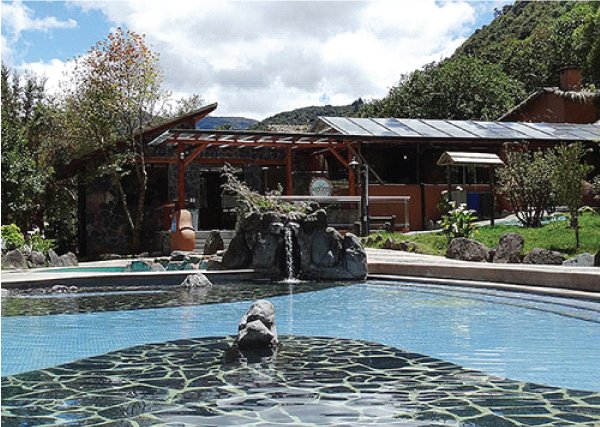
| Termas de Papallacta (Full Day) | Hot springs above 3,000 m, 1.5 to 2 hours away | Unwinding after busy days |
Pick just one if time is tight. Cotopaxi and Papallacta are both high; Mindo is the opposite, lower, warmer and wetter, which makes it a good contrast. For Otavalo, try to time your visit for a Saturday. If relaxing appeals, see our guide to Things to Do in Baños and Papallacta, Ecuador.
Is Quito safe to visit? What the official advice says
In a balanced way: the Spanish Ministry of Foreign Affairs describes a security crisis in the country, with frequent states of emergency (sometimes with curfews). For Quito it advises against visiting the historic centre after 18:00, avoiding outlying neighbourhoods, using trusted or pre-booked taxis (not hailing one in the street) and private transport, looking after luggage and devices, and not accepting drinks from strangers.
If you follow those guidelines, a visit is perfectly feasible, and the central Andean highlands are listed among the lower-risk areas. Even so, official information changes: check it before you leave (link in the sources) and travel with insurance. The emergency number is 911 (ECU911 app). We cover this further in our Ecuador Travel Guide: Practical Tips and Requirements.
Getting around Quito sensibly
Distances are long and the old town is hilly. That is why the usual approach is to combine private transfers with accompanied walking sections. The Ministry advises trusted taxis or ones booked by phone or app, not hailed on the street, and avoiding outlying neighbourhoods. For trips outside the city, a local driver with a guide saves you from improvising routes.
- Carry only what you need: a passport copy, a little cash and your phone within reach but out of sight.
- Keep the original passport and the rest of your money in the hotel safe.
- Avoid walking around the centre at night, even if it looks lively.
When to go and what to pack for Quito
Quito can be visited all year; it does not have as marked a tourist season as the Galapagos. In the highlands the weather changes fast, with strong sun at midday, cool evenings and possible showers. Pack layers: a fleece or sweater, a light waterproof jacket, sunscreen, a hat and comfortable shoes for cobbles and slopes.
- A refillable bottle and light snacks.
- US dollars in cash (Ecuador's currency), in small bills.
- A passport copy. Spanish citizens need no visa for up to 90 days and a passport valid for 6 months from entry; other nationalities should check with their consulate or embassy.
- Insect repellent if you will go to Mindo or other humid areas.
If Quito is just the first leg of a longer trip, it fits well with the Galapagos or Baños; we lay it out in Ecuador in 10 Days: Quito, Galapagos & Baños Itinerary.
Next step: build your Quito trip around you
You can go independently, but with three days and the altitude to manage, a local operator who arranges private transfers, guides and timings saves time and reduces risk. Tell us your dates, how many days you have and what interests you, and contact us: we will prepare a quote with hotel, visits and excursions, and tell you frankly what is worth leaving out.
Frequently asked questions
How many days do you need in Quito?
Three days lets you see the essentials without rushing: one to arrive and adjust to the altitude, one for the historic centre and one for the Middle of the World and the Pululahua crater. With only one day, prioritise the old town in the morning and the Panecillo viewpoint. With more than three, add a day trip.
Is Quito safe for tourists?
The Spanish Ministry of Foreign Affairs describes a security crisis in the country and advises, for Quito, not visiting the historic centre after 18:00, avoiding outlying neighbourhoods, using trusted or pre-booked taxis and private transport, and looking after luggage. Following that guidance, a visit is feasible. Check current official information before you travel and take out insurance.
How does Quito's altitude affect you and how do you acclimatise?
Quito is at about 2,850 m, and in the first days you may feel tired, get a headache or feel short of breath. Rest on arrival, drink water, eat lightly, avoid alcohol and do not plan demanding excursions on day one. If you have heart or lung problems, talk to your doctor before travelling.
What day trips can you take from Quito?
The most common are Cotopaxi volcano, the Mindo cloud forest (about 2 hours away), the Otavalo indigenous market (Saturday is the biggest day) and the Papallacta hot springs, above 3,000 m and 1.5 to 2 hours away. You can also do the Middle of the World and the Pululahua crater.
What is there to see at the Middle of the World and Pululahua?
North of Quito is the Middle of the World equator monument, marking latitude 0°, and very close by the Pululahua crater, a geobotanical reserve with an inhabited, farmed floor. They are visited on a short excursion, either half day or a full day if combined with the historic centre.
Do I need a visa to travel to Ecuador?
Spanish citizens need no visa for stays of up to 90 days and must carry a passport valid for at least 6 months from the date of entry. If you hold another nationality, check with the Ecuadorian consulate or embassy before buying your tickets.
Want us to organise it for you?
Tell us your dates, travellers and interests and we will prepare a personalised proposal with accommodation, transfers and detailed services.
Fees, prices and official requirements can change: always confirm current details before you travel. Information reviewed on 8 October 2026.
Sources and official links
Related trips and stays
QuitoQuito City Tour (4 horas)QuitoQuito y Mitad del Mundo (6 horas)QuitoPululahua Cráter, Mitad del Mundo y Quito (Full Day)QuitoVolcán Cotopaxi (Full Day)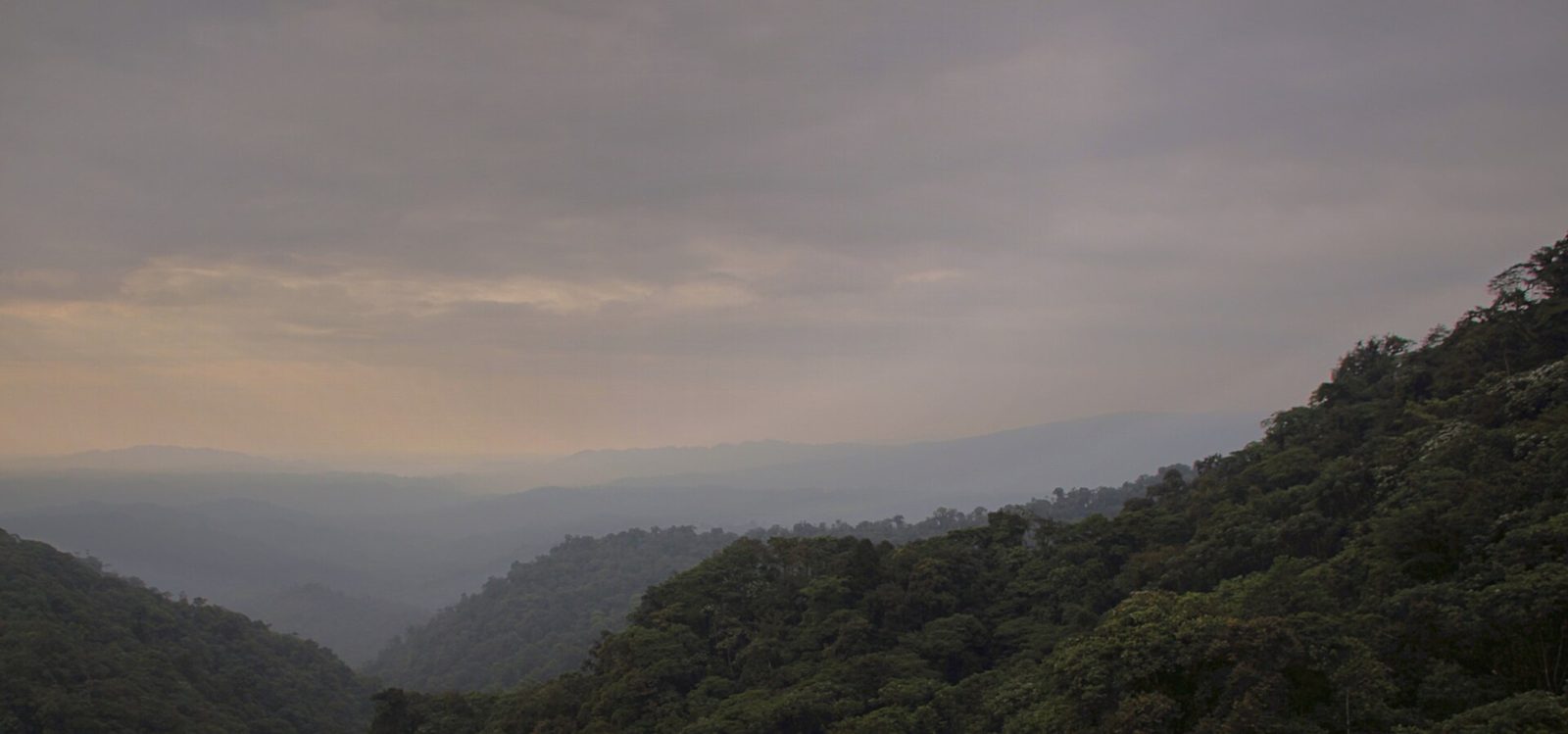 QuitoBosque Nublado de Mindo (Full Day)QuitoMercado Indígena de Otavalo (Full Day)
 QuitoTermas de Papallacta (Full Day)
 QuitoWyndham Garden 4*From USD 141.25
Keep reading
ItinerariesEcuador in 10 Days: Quito, Galapagos & Baños ItineraryA day-by-day Ecuador 10 day itinerary: Quito, the Galapagos and Baños, with 7 and 11-day variations, fees and what to skip. Request your proposal.Read article →Practical guideEcuador Travel Guide: Practical Tips and RequirementsEcuador travel guide: passport rules, Galapagos fees and TCT, vaccinations, safety, money and what to pack. A checklist to prepare your trip with no surprises.Read article →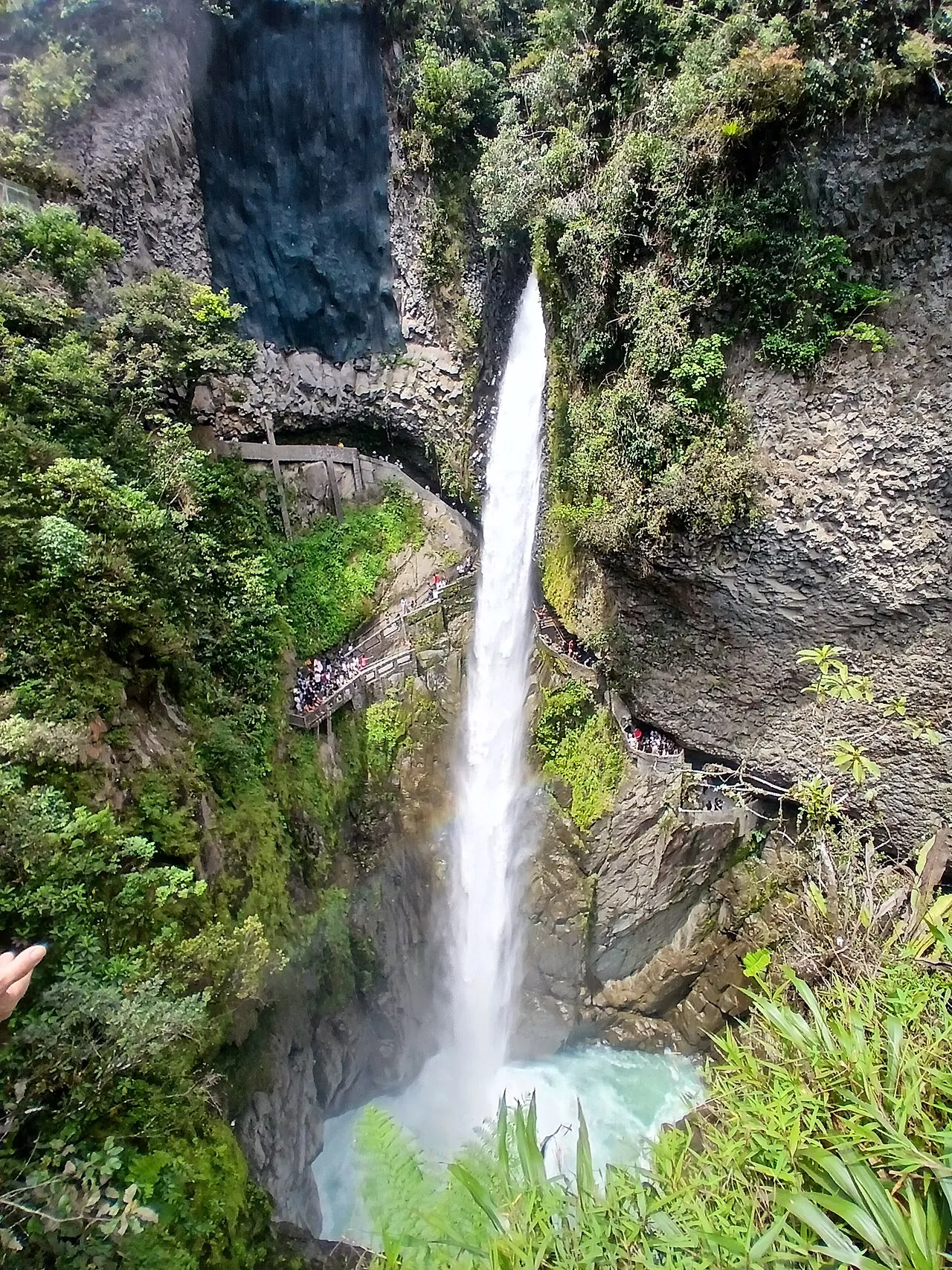 Quito & AndesThings to Do in Baños and Papallacta, EcuadorThings to do in Baños and Papallacta: hot springs, waterfalls, adventure and rest. Hotels, how to combine them with Quito, altitude tips and when to go.Read article →