Practical guide
Ecuador travel guide: entry rules, health, safety and what to pack
To visit Ecuador from Spain you need a passport valid for at least 6 months, and no visa is required for stays up to 90 days. The currency is the US dollar. The Galapagos charges a USD 200 park fee (USD 100 under 12) plus a USD 20 TCT. Quito sits at 2,850 m. Check current Spanish Foreign Ministry advice and take insurance.
- Spanish citizens: no visa up to 90 days; passport valid 6 months
- Official currency: US dollar
- Galapagos: USD 200 park fee (USD 100 under 12) plus USD 20 TCT
- Quito sits at about 2,850 m above sea level
- Ecuador emergency number: 911 (ECU911 app)
Ecuador packs the Andes, the Amazon rainforest, the coast and the Galapagos into one small country, so preparation matters more than it seems: the island formalities, Quito's altitude or the Amazon vaccinations are not things to sort out at the airport. This guide puts the essentials in one place, with the official data we know and honest notes on what you should confirm before you leave.
What do I need to enter Ecuador?
Spanish citizens do not need a visa for tourist stays of up to 90 days, but the passport must be valid for at least 6 months from the date of entry. It is the most common mistake and the quickest way to ruin a trip, so check your expiry date today, not the month before.
If you hold another nationality, the rules may differ (visa, permitted days, exit documents). Always check with the Ecuadorian consulate or embassy in your country. The official currency is the US dollar, so there is nothing to exchange on arrival. The mainland is on UTC−5 and the Galapagos on UTC−6.
What formalities and fees apply for the Galapagos?
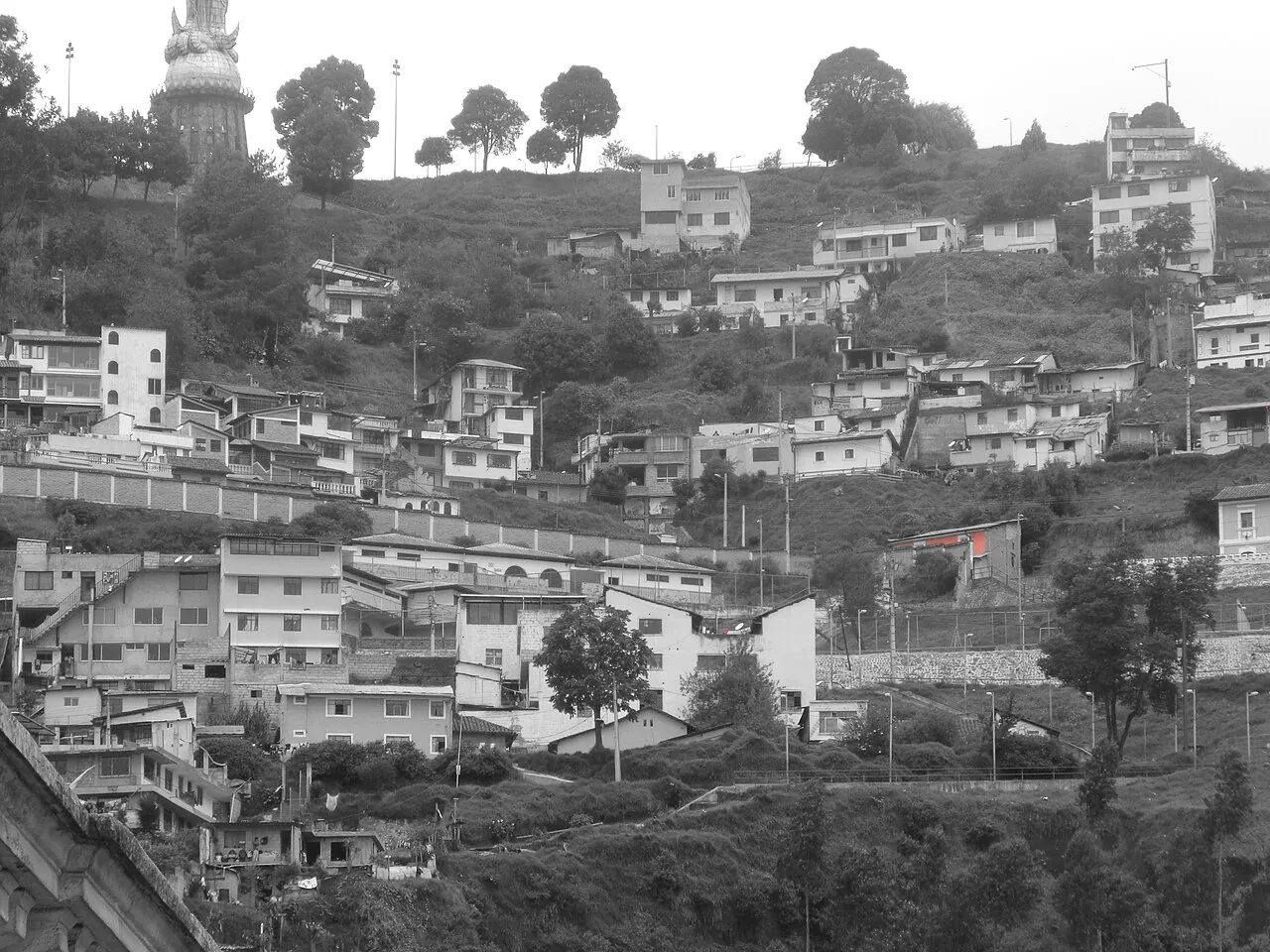
The Galapagos has its own entry regime, because almost all of the land area is a National Park. For foreign tourists, these items apply:
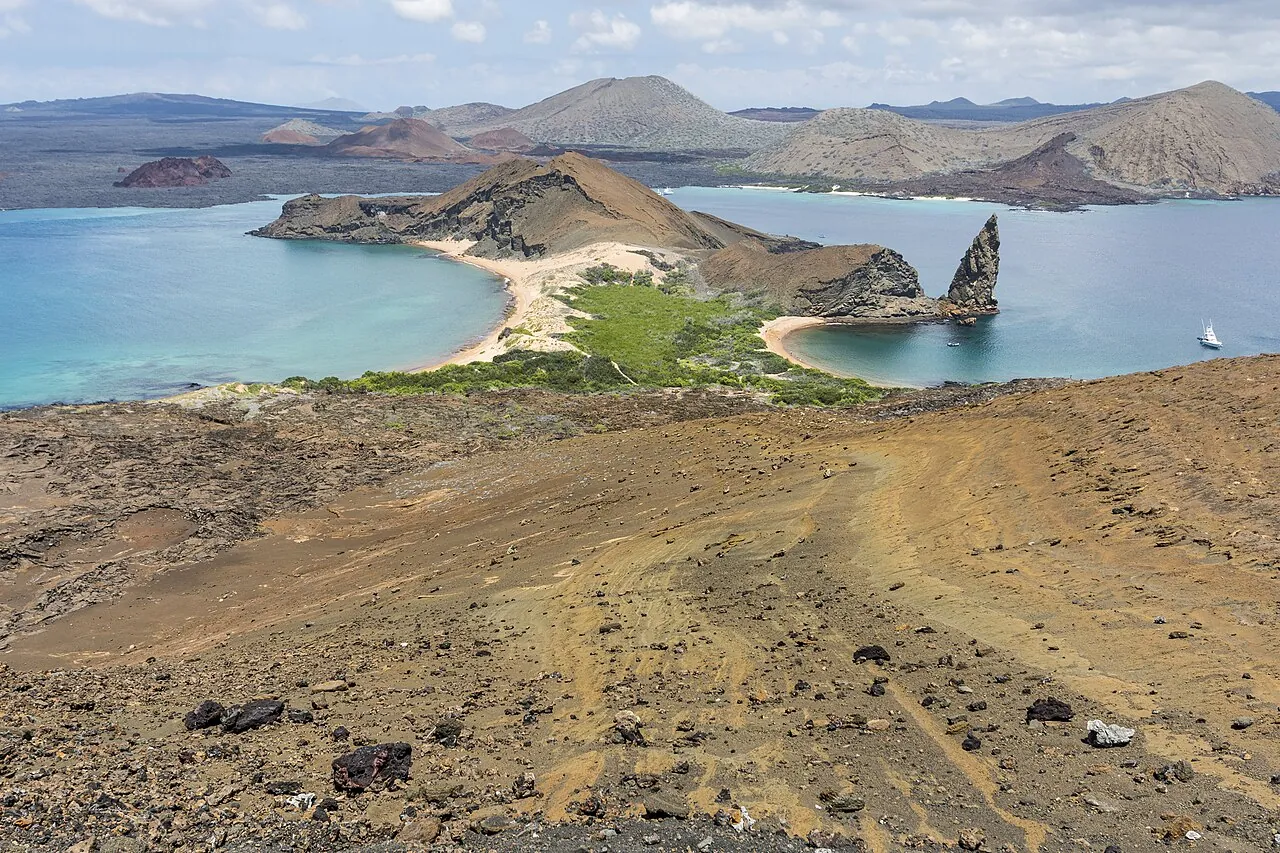
- National Park entrance fee: USD 200 for travellers over 12 and USD 100 for children under 12, paid in cash on arrival at the Galapagos airport (Baltra or San Cristobal). Different rates apply depending on nationality or residence.
- Transit Control Card (TCT): USD 20 per person. You arrange it before flying, at Quito or Guayaquil airport, and you can start the process online with the Galapagos Special Regime Government Council.
- Biosecurity check: your luggage is inspected and sealed at the mainland airport.
- Maximum tourist stay: 60 days, and you need proof of accommodation or of a cruise with an authorised operator.
- Clean banknotes: bring dollars in good condition; torn or badly worn notes may be refused.
Packages with flights booked separately usually leave these fees out: the Quito & Galapagos programme, for example, excludes them, along with international flights, the Quito–Galapagos–Quito flight and the USD 10 Isabela dock tax. Confirm the current amount before you travel on the official websites, because figures can change. For a full budget, see How Much Does a Galapagos Trip Cost? Real Budget.
When is the best time to go, and what should I pack?
You can travel all year, but the Galapagos changes a lot with the season. From January to May the air is around 24–30 °C and the sea is warmer and calmer (roughly 21–27 °C), with better snorkelling visibility. From June to November the garua arrives: cooler air (18–24 °C), grey skies, colder water and lower visibility, though it is a good time for walking and birdwatching. To pick a month in detail, see Best Time to Visit Galapagos: Month by Month.
On the mainland the key is layers, because temperature depends mostly on altitude. A sensible packing list includes:
- Light warm clothing and a windproof for Quito and the volcanoes, plus a light rain jacket.
- Long-sleeved clothing and insect repellent for the coast and jungle.
- Comfortable closed shoes for walking and, for the Galapagos, sunscreen, a hat and sunglasses.
- A 3 mm wetsuit if you plan to snorkel often (they can usually be rented, but check the size).
- Rubber boots for the jungle: lodges usually lend them.
Which vaccinations and health precautions do I need?
See an international vaccination centre well before you go. The Spanish Ministry of Foreign Affairs recommends the yellow fever vaccine for anyone visiting Morona-Santiago, Napo, Orellana, Pastaza, Sucumbios, Zamora-Chinchipe or Esmeraldas below 2,300 m, which means the lowland Amazon. If your trip includes a jungle lodge such as the Yasuní EcoLodge, this applies to you.
There is also epidemic dengue and a risk of malaria, chikungunya and zika in humid coastal and jungle areas: use repellent, wear long sleeves and avoid bites. To see which lodge suits you, read Best Amazon Lodges in Ecuador: How to Choose.
Altitude: your first day in Quito
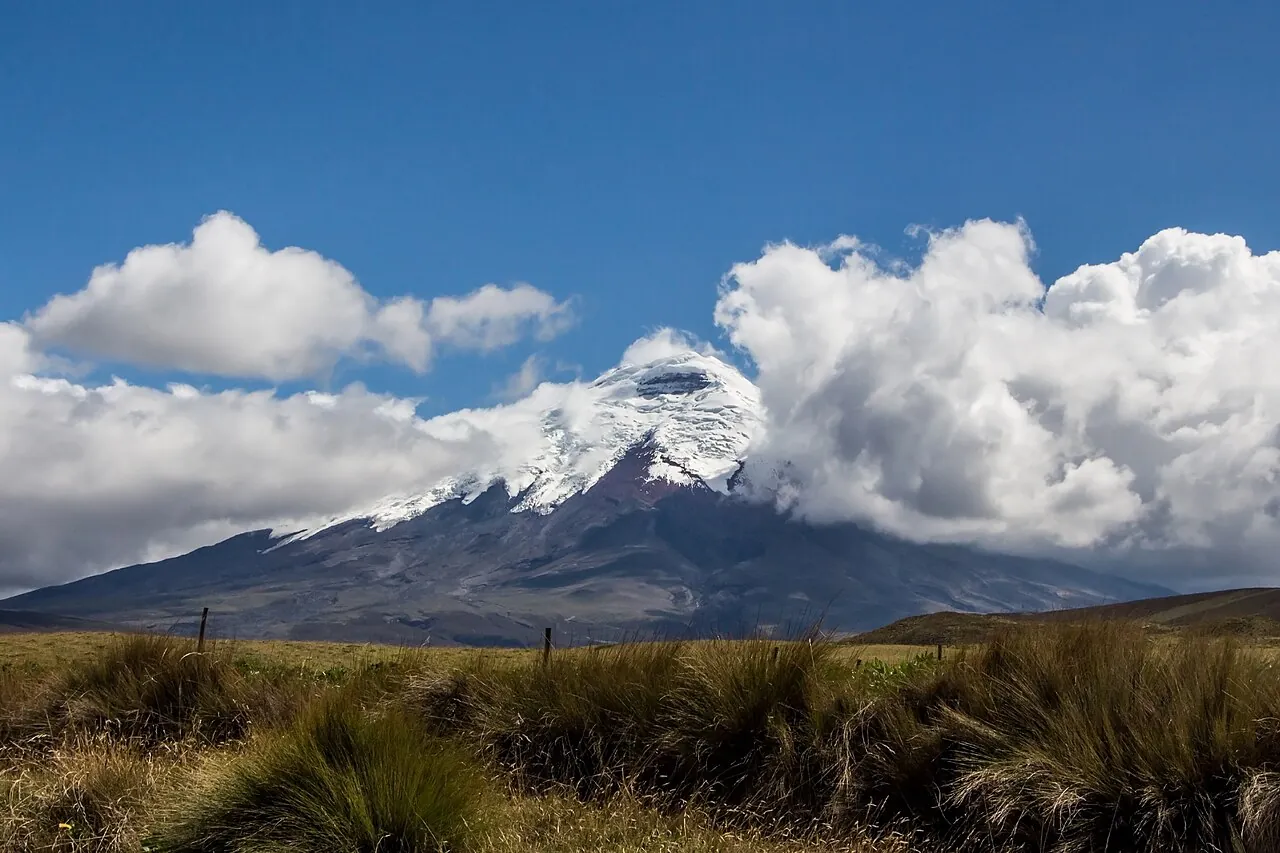
Quito sits at around 2,850 m. Most people feel some tiredness or a headache on the first day. Drink water, eat lightly, skip the alcohol and plan something gentle. High-altitude excursions, such as the Volcán Cotopaxi (Full Day) (Cotopaxi is an active volcano of about 5,897 m), go better once you have spent a day or two acclimatising.
Is Ecuador safe to travel to?
With caveats. The Spanish Ministry of Foreign Affairs describes a security crisis in the country, with frequent states of emergency (sometimes with curfews). It advises against travel, unless essential, to the provinces of Esmeraldas, Manabi, Santa Elena, Guayas, El Oro, Los Rios, Santo Domingo de los Tsachilas, Sucumbios and Orellana, and to the border with Colombia. Guayaquil is considered particularly serious: pass through only as needed, for the airport and connections.
The central Andean highlands, Cuenca and the Amazon (with precautions) are considered lower risk. The Galapagos is described as a safe environment in general terms. The practical advice that keeps coming up is:
- In Quito, do not visit the historic centre after 18:00 and avoid peripheral neighbourhoods.
- Use trusted taxis ordered by phone or app, never hailed in the street, and private transport.
- Look after your luggage and devices, and do not accept drinks from strangers.
- Emergency number: 911 (ECU911 app).
For all these reasons, it makes sense to travel with a local ground operator, private transfers and travel insurance. To plan your days in the capital sensibly, start with What to See in Quito: 3-Day Itinerary and Day Trips.
Money, connectivity, tipping and insurance
Money. Since Ecuador uses dollars, there is no exchange hassle. Carry cash for the Galapagos fee and small purchases, and tell your bank you are travelling. We make no promises about card acceptance: in small towns and in the jungle, cash is wise.
Connectivity. Sort out roaming or an eSIM before you leave. At jungle lodges and on mountain routes, coverage is often limited; download maps and documents for offline use.
Tipping. In our programmes, tips for hotel staff, guides and drivers are not usually included. We do not set figures: ask your operator how it is customarily done for each service.
Insurance. Take out travel insurance with medical assistance and cancellation cover, and check that it covers altitude and the activities you plan to do. It is what you will be most grateful for if something goes wrong.
Checklist: before you travel to Ecuador
| What to check | Detail | When |
|---|---|---|
| Passport | Valid for at least 6 months from entry | When booking |
| Visa | Spanish citizens: no visa up to 90 days; other nationalities, check | When booking |
| Vaccinations and health | Yellow fever if visiting the lowland Amazon; repellent | Weeks before |
| Travel insurance | Medical assistance and cancellation | When booking |
| Galapagos TCT | USD 20 per person, arranged before flying | Before the flight |
| Park fee | USD 200 adults, USD 100 under 12, cash on arrival | On arrival in the Galapagos |
| Cash | Dollars in good condition | Before leaving |
| Safety | Read the current Foreign Affairs advice | When booking and flying |
| Altitude | Take it easy on your first day in Quito | On arrival |
How do I organise the trip with a local operator?
A ground operator books, coordinates and responds when something changes, which in Ecuador can be a flight, a state of emergency or a tide. For a first visit with little margin, a set programme simplifies a lot. If you prefer to go independently, at least book the most complex parts through an operator: the Galapagos, the Amazon and high-altitude excursions.
Some starting ideas depending on your profile:
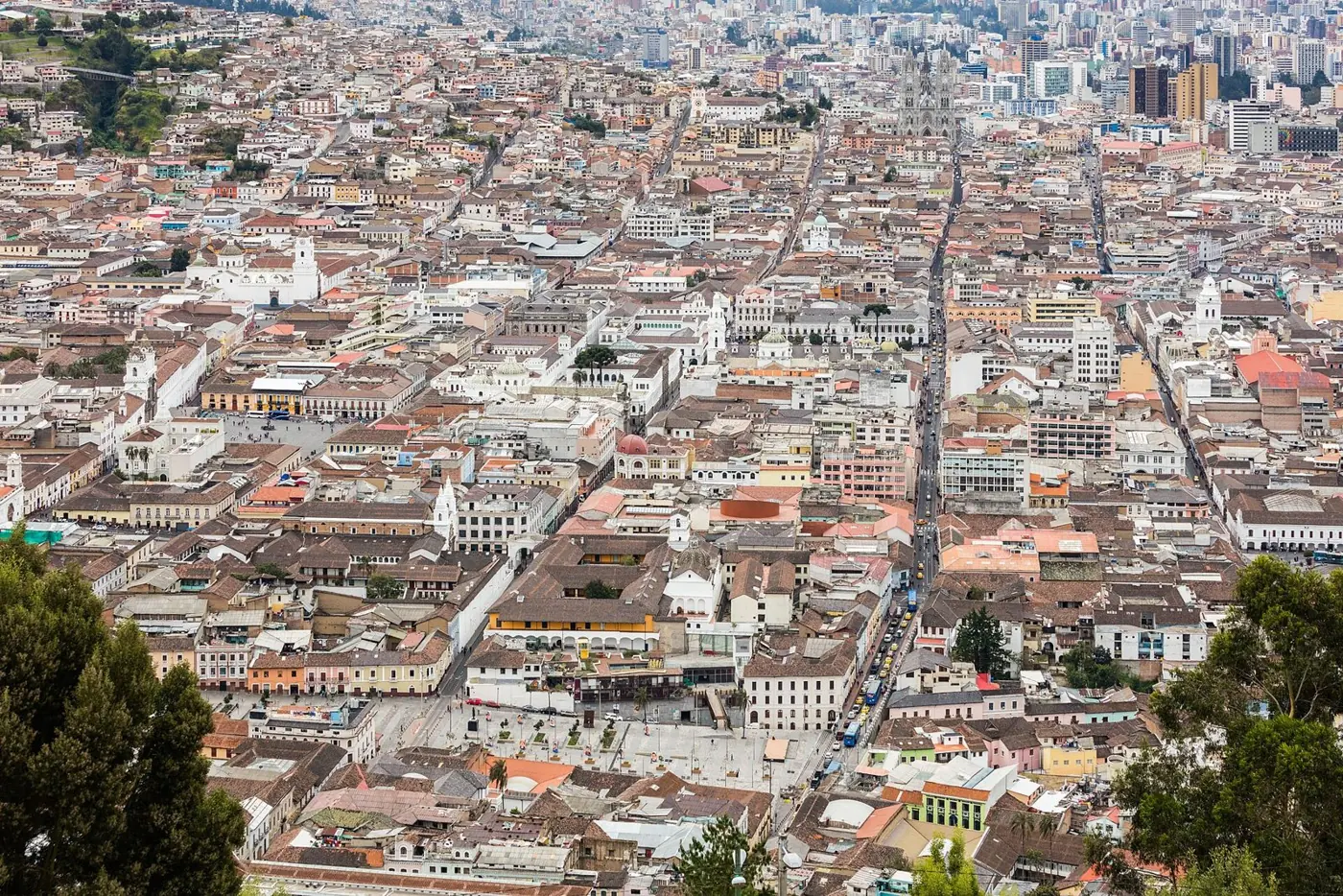
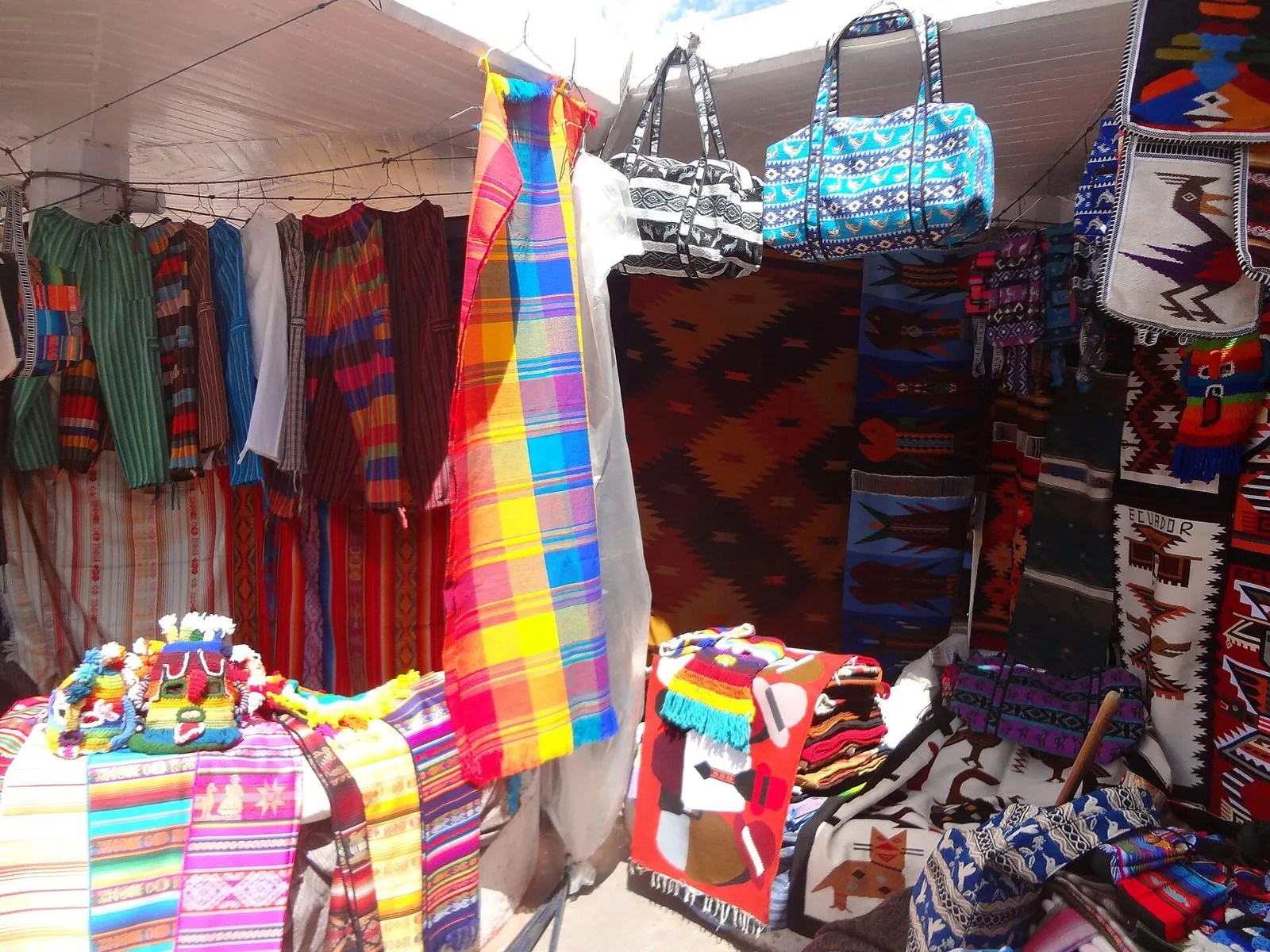
- Quito in a few days: the Quito City Tour (4 horas) is a good introduction, and the Mercado Indígena de Otavalo (Full Day) or the Bosque Nublado de Mindo (Full Day) add contrast.
- Where to stay in the capital: the Mercure Alameda 5* (From USD 164.09, per room per night, breakfast included).
- A Galapagos cruise: the Coral I o Coral II (From USD 2,605.00), with flights and fees separate; confirm the exact service in the proposal.
Next step: tell us your dates
If you already know when you are travelling, contact us with your dates, the number of travellers and what interests you most. We will reply with a realistic proposal, tell you which formalities affect you depending on your nationality, and what to confirm with official sources before you fly.
Frequently asked questions
Do I need a visa to travel to Ecuador from Spain?
No, not for tourist stays of up to 90 days. However, your passport must be valid for at least 6 months from the date of entry. If you hold another nationality, the requirements may differ, so check with the Ecuadorian consulate or embassy before you buy your tickets.
What currency is used in Ecuador and how much cash should I bring?
Ecuador's official currency is the US dollar, so you do not need to exchange money. Bring cash in good-condition notes, especially for the Galapagos park fee (USD 200 for adults), which is paid in cash on arrival, and for small purchases in rural or jungle areas.
How much does it cost to enter the Galapagos, and what is the TCT?
Foreign tourists pay the National Park fee: USD 200 for travellers over 12 and USD 100 for children, in cash on arrival. The Transit Control Card (TCT) also costs USD 20 and is arranged before flying. Confirm the current amounts before you travel.
Which vaccinations do I need for Ecuador?
The Spanish Foreign Ministry recommends the yellow fever vaccine if you visit the lowland Amazon (below 2,300 m in provinces such as Napo, Orellana or Pastaza). There is also dengue and a malaria risk in humid areas. See an international vaccination centre weeks in advance.
Is Ecuador safe for tourists?
The Spanish Foreign Ministry describes a security crisis and advises avoiding several provinces and the Colombian border. The central Andean highlands, Cuenca and the Amazon (with precautions) are considered lower risk, and the Galapagos a safe environment in general terms. Travel with a local operator, private transfers and insurance.
How will Quito's altitude affect my trip?
Quito sits at about 2,850 m, so tiredness or a headache on day one is common. Drink water, eat lightly, avoid alcohol and plan something gentle. Leave high-altitude excursions, such as Cotopaxi, until you have spent a day or two acclimatising.
Want us to organise it for you?
Tell us your dates, travellers and interests and we will prepare a personalised proposal with accommodation, transfers and detailed services.
Fees, prices and official requirements can change: always confirm current details before you travel. Information reviewed on 8 October 2026.
Sources and official links
Related trips and stays
QuitoVolcán Cotopaxi (Full Day) QuitoBosque Nublado de Mindo (Full Day)
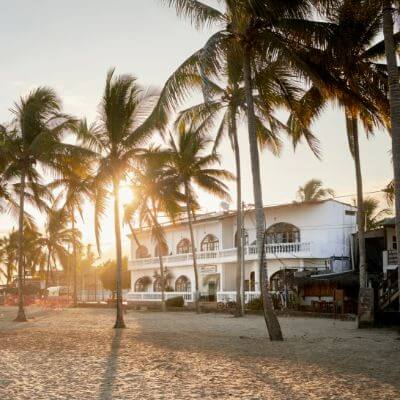 Quito · GalapagosQuito & Galapagos
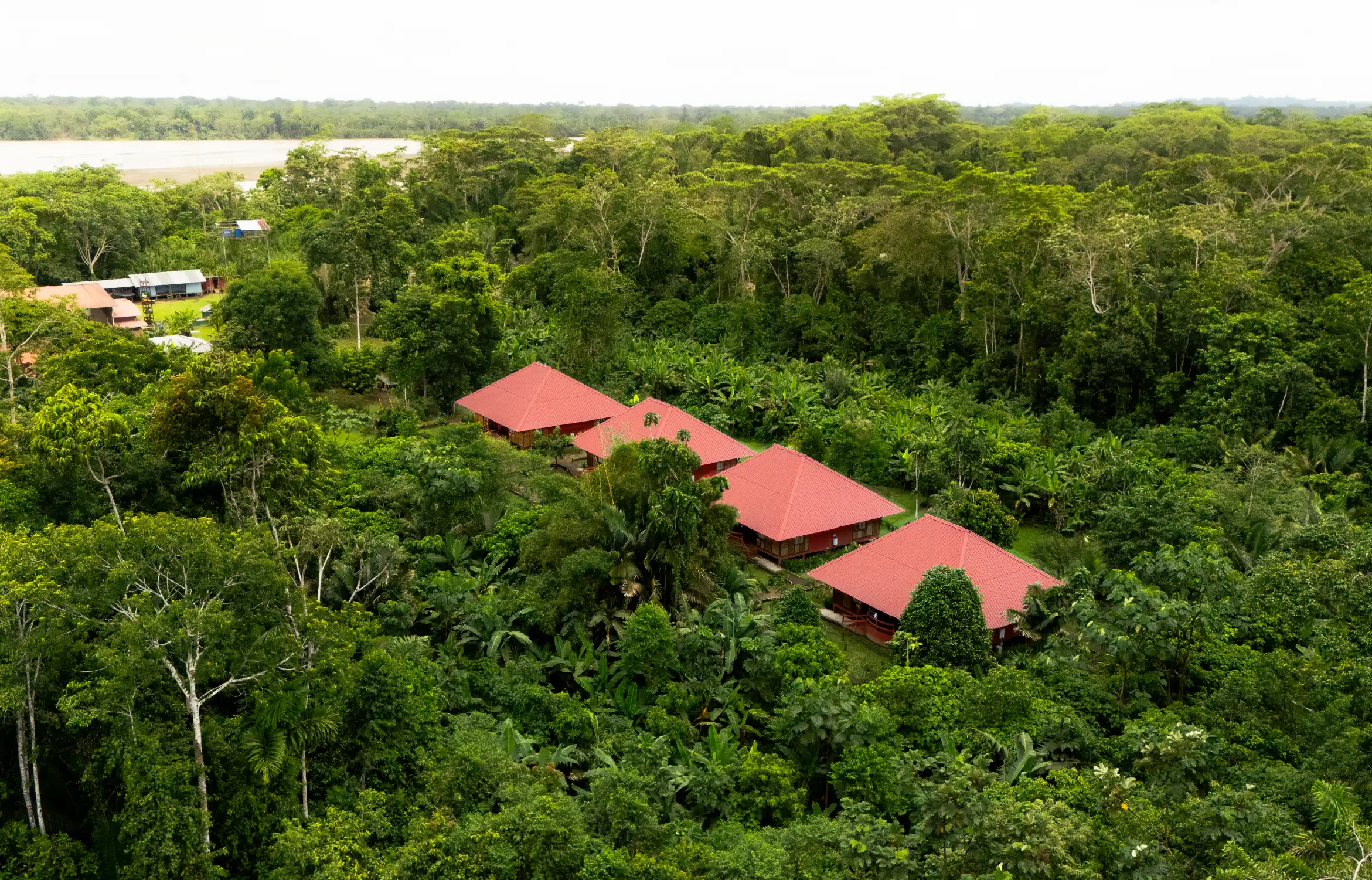 Amazonía (El Coca)Yasuní EcoLodgeFrom USD 709.00
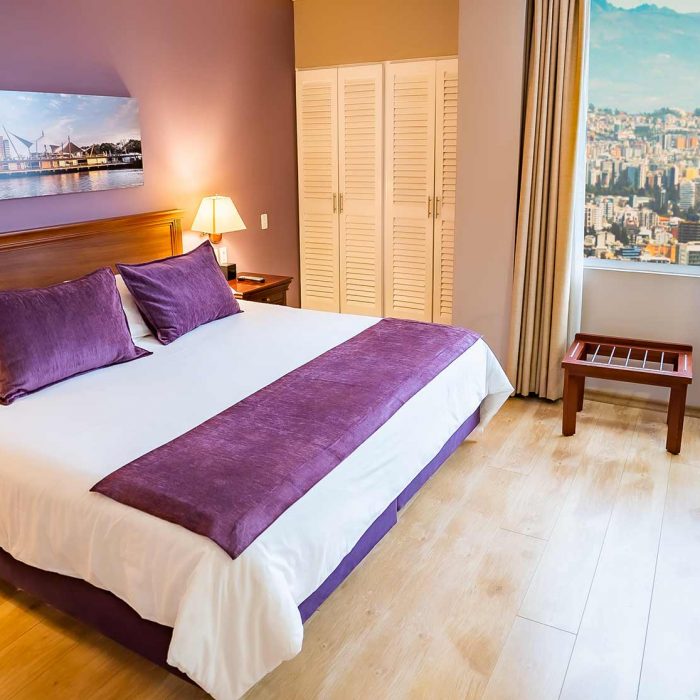 QuitoMercure Alameda 5*From USD 164.09
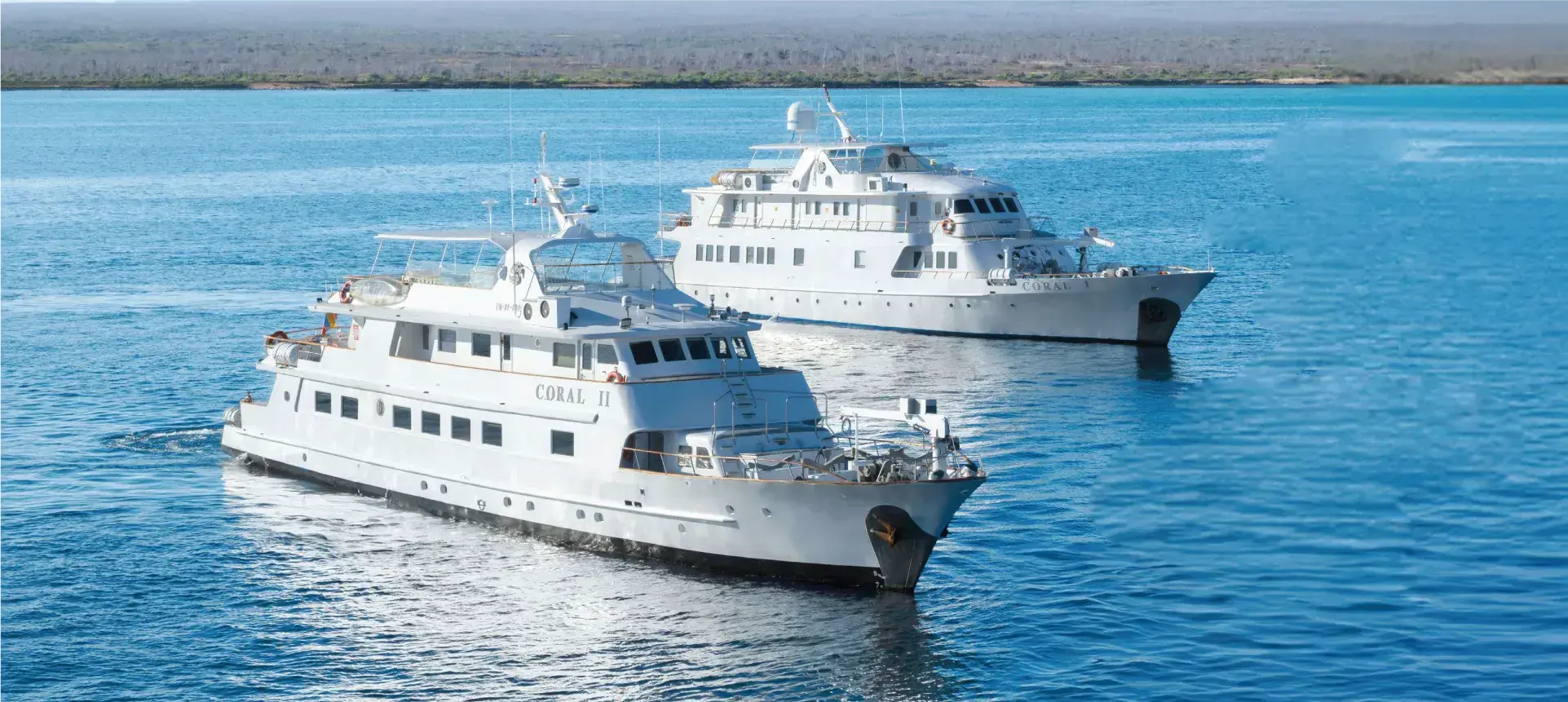 GalápagosCoral I o Coral IIFrom USD 2,605.00
 QuitoQuito City Tour (4 horas)
 QuitoMercado Indígena de Otavalo (Full Day)
Keep reading
GalapagosHow Much Does a Galapagos Trip Cost? Real BudgetHow much does a Galapagos trip cost? Park fee (USD 200), TCT (USD 20), flights, cruise vs hotel with day trips and ways to save. A clear budget, no surprises.Read article →Quito & AndesWhat to See in Quito: 3-Day Itinerary and Day TripsWhat to see in Quito in 3 days: historic centre, Middle of the World and Pululahua, plus day trips to Cotopaxi, Mindo and Otavalo. Altitude and safety tips.Read article →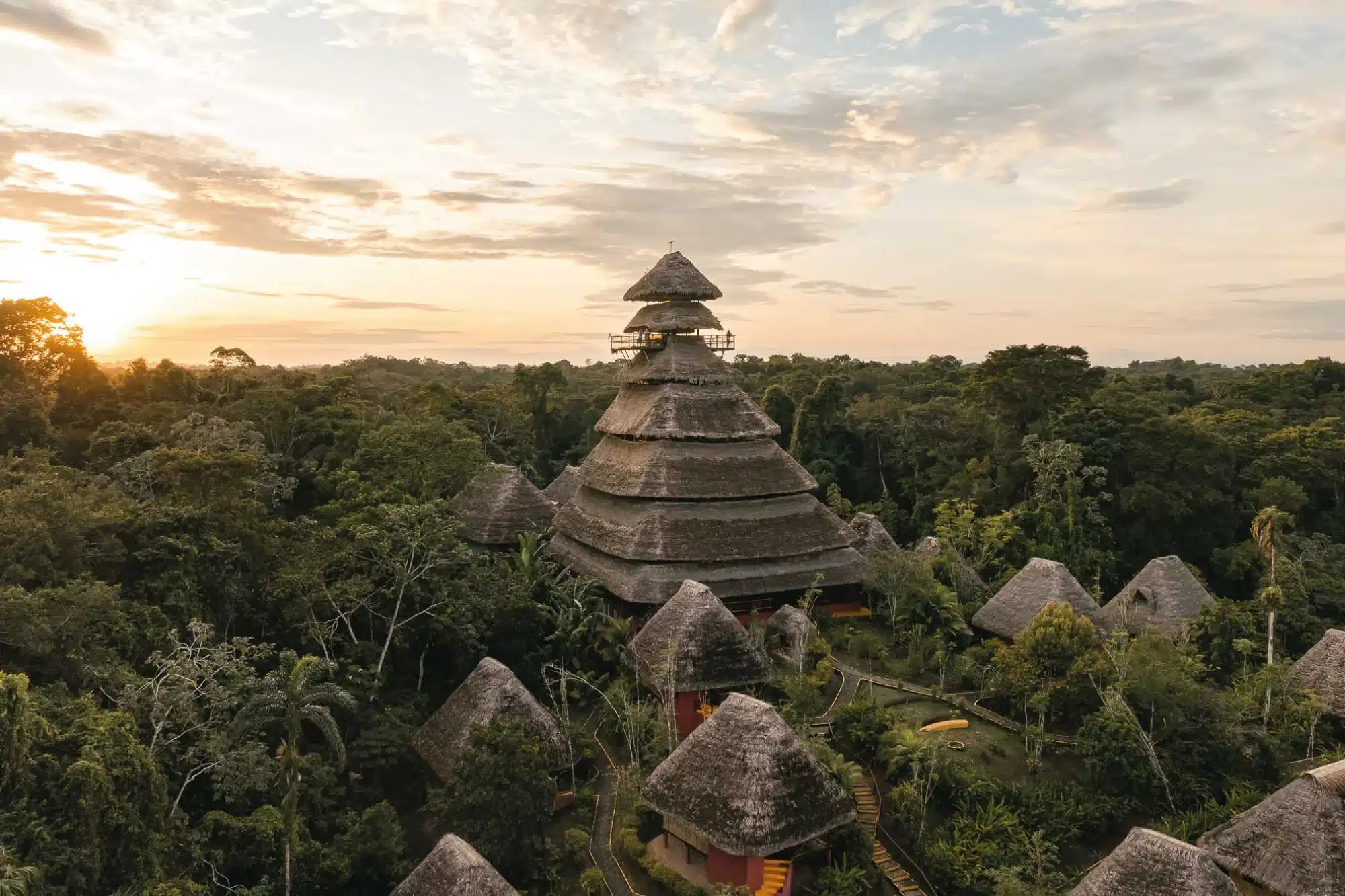 AmazonBest Amazon Lodges in Ecuador: How to ChooseCompare Ecuador Amazon lodges and river cruises: stay lengths, room categories, health, safety and how to reach them from Quito. Request a proposal.Read article →